Healthier Drink Choices: What to Drink Besides Water
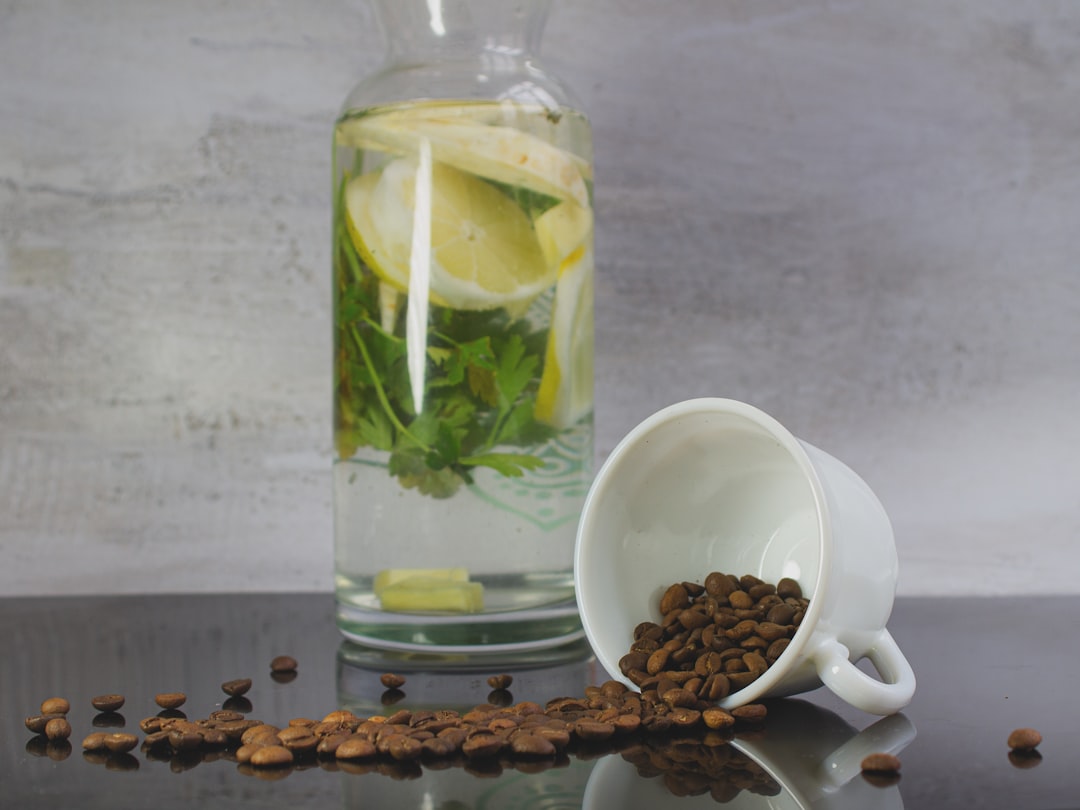
You know water is good for you, but sometimes you want something different. The question is: which drinks are actually healthy, and which ones hide sugar, caffeine, or other concerns?
Plain water is the best daily choice, but it is not the only option. Unsweetened coffee or tea, sparkling water, milk, and limited amounts of 100% fruit juice can also fit into a healthy diet. The key is knowing which drinks to choose regularly and which to limit.
Low- or No-Calorie Beverages
These drinks contribute to hydration without adding significant calories:
- Plain water: Zero calories, no sugar, no caffeine. The ideal daily choice.
- Unsweetened coffee or tea: Low in calories when drunk plain. They contain caffeine, but moderate intake is safe for most adults.
- Sparkling water and seltzers: Carbonated water without added sugar. A good alternative when you want something fizzy.
- Flavored waters: Some have no added sugar, but check the label. Avoid versions with sweeteners or artificial flavors.
For most adults, up to 400 mg of caffeine per day, roughly 2 to 3 cups of plain coffee, can be part of a healthy diet. Sensitivity varies, so adjust based on how you feel.
Drinks With Important Nutrients
Some beverages provide nutrients along with fluids:
- Milk: Contains calcium, protein, and often vitamin D. A good choice for bone health, but watch portion sizes if you are managing calories.
- Unsweetened fortified milk alternatives: Options like unsweetened almond, soy, or oat milk can provide calcium and vitamins without added sugar.
- 100% fruit juice: Contains vitamins and minerals, but also natural sugars. Limit to small portions. Whole fruit is a better choice when possible.
- Low-sodium vegetable juice: Can provide vitamins and minerals with less sugar than fruit juice.
These drinks are more calorie-dense than water, so they are best in moderate amounts.
Sugary Drinks: What to Limit
Sugary drinks provide calories but little nutritional value. The CDC recommends limiting:
- Regular soda: High in added sugar, with no nutrients to balance it out.
- Fruit drinks: Often contain added sugar, even if they sound healthy.
- Sports drinks: Useful for intense, prolonged exercise, but unnecessary for most people.
- Energy drinks: Often high in both sugar and caffeine, with potential health concerns.
- Sweetened waters and flavored coffees or teas: Can contain as much sugar as soda.
Water has no calories, so replacing sugary drinks with water can help reduce overall calorie intake. This is one reason why plain water is the best default choice.
Sugar-Free Drinks: What to Know
Drinks labeled “sugar-free” or “diet” often contain high-intensity sweeteners like sucralose, aspartame, or saccharin. These are FDA-approved and may help reduce calorie intake in the short term.
However, the CDC notes that questions remain about their long-term effectiveness for weight management. If you choose sugar-free drinks, use them in moderation. Water remains the safest daily choice.
Energy Drinks: Special Cautions
Energy drinks can contain large amounts of caffeine and other stimulants. The CDC notes concerns about health risks, especially for:
- Young people
- People sensitive to caffeine
- People with certain heart conditions
If you use energy drinks, check the label for caffeine content and other ingredients. Consider whether you really need that much stimulation, or whether a glass of water, a short walk, or a brief rest would serve you better.
Quick Self-Check: Is This Drink a Healthy Choice?
Ask yourself:
- Does it have added sugars? Check the label for sugar, corn syrup, or other sweeteners.
- Is it labeled “sugar-free” or “diet”? If so, it may contain high-intensity sweeteners with uncertain long-term effects.
- Does it have caffeine? How much? Consider your total daily caffeine intake.
- Does it provide nutrients? Milk, fortified alternatives, and limited juice offer some nutritional value.
- Is water a simpler option? If so, it is probably the better choice.
If a drink has added sugar or uncertain long-term effects, consider swapping it for water, unsweetened tea, or sparkling water.
When to Get Medical Advice
Talk to a healthcare provider if:
- You have a medical condition that requires limiting certain drinks, such as kidney disease and potassium in juice, or diabetes and sugar.
- You are pregnant or breastfeeding and have questions about caffeine or sweeteners.
- You are giving drinks to infants or young children and are unsure about safe choices.
- You experience symptoms after consuming energy drinks or high-caffeine beverages.
Some health conditions require specific drink choices. Personalized medical advice is essential when your situation is not typical.
FAQ
Is sparkling water as healthy as plain water?
Sparkling water is a low-calorie choice that can contribute to hydration. Plain water is ideal, but sparkling water without added sugar is a reasonable alternative.
Are sugar-free drinks healthy?
They may reduce calories short-term, but questions remain about long-term weight management. Water is a safer daily choice.
How much caffeine is okay?
Up to 400 mg per day, roughly 2 to 3 cups of plain coffee, is considered safe for most adults. Sensitivity varies, so adjust based on how you feel.
Is 100% fruit juice healthy?
It contains vitamins and minerals, but also natural sugars. Limit intake and prioritize whole fruit when possible.
Should I avoid energy drinks?
Energy drinks often have high caffeine and added sugar. The CDC notes concerns, especially for young people. If you use them, do so in moderation and check the label.
Common Mistakes
- Assuming “fruit drink” means healthy: Many fruit drinks are mostly sugar water with a small amount of juice.
- Overlooking portion sizes: Even healthy drinks like milk or juice have calories. Large portions add up.
- Replacing water with flavored drinks: Flavorings, even natural ones, can lead to drinking more than you need.
- Ignoring caffeine content: Coffee, tea, energy drinks, and some sodas all contain caffeine. Track your total intake.
Summary
Plain water is the best daily choice for hydration. Unsweetened coffee, tea, sparkling water, and moderate amounts of milk or fortified alternatives can also fit into a healthy diet. Sugary drinks and energy drinks should be limited. Sugar-free drinks may help reduce calories, but water remains the safest choice. Use the quick self-check to evaluate any drink, and talk to a healthcare provider if you have specific health concerns.
This article is for general information only and cannot replace diagnosis, treatment, or advice from a qualified medical professional. If you have specific health conditions or concerns about certain drinks, consult a healthcare provider.
Final words
More reading and next steps
That is the main thread of the article. Keep the links below handy, and use the related posts to continue exploring the same topic from a different angle.
References and links
- CDC: Water and Healthier Drinks CDC guidance on water and healthier drink choices for daily hydration
- CDC: Rethink Your Drink Tips for choosing healthier drinks and reducing sugary beverage intake
- FDA: High-Intensity Sweeteners FDA information on sugar substitutes and their safety
- FDA: Caffeine and Your Health Guidance on safe caffeine intake for adults
Comments