What Happens When You Don't Drink Enough Water? Dehydration Signs Explained
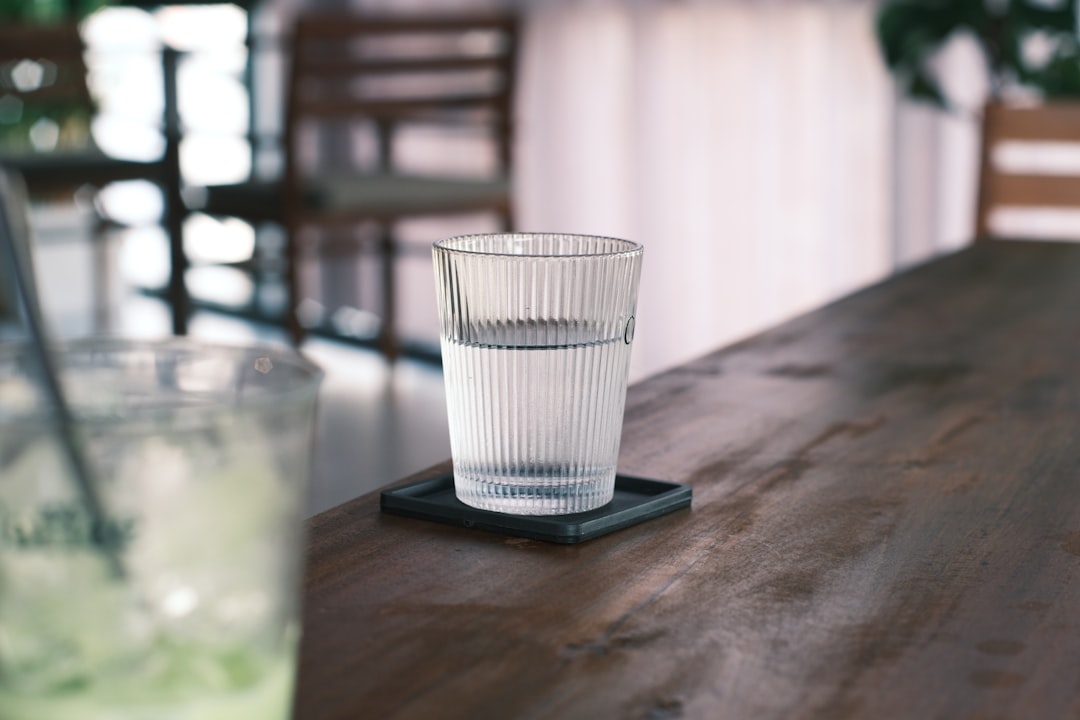
You feel a little foggy, maybe a bit irritable, and you cannot figure out why. It could be that your body simply needs more water.
Dehydration happens when your body loses more fluids than it takes in. Even mild dehydration can affect how you think, how you feel, and how your body works. The good news is that early signs are usually easy to recognize if you know what to look for.
What Dehydration May Cause
According to the CDC, not drinking enough water may lead to:
- Unclear thinking: You may have trouble concentrating or feel mentally slow.
- Mood changes: You might feel irritable, anxious, or low without a clear reason.
- Overheating: Your body may struggle to regulate temperature, especially in hot weather or during exercise.
- Constipation: Low fluid intake can slow digestion.
- Kidney stones: Chronic low fluid intake increases the risk of stones forming in the kidneys.
Water helps your body keep a normal temperature, lubricate joints, protect sensitive tissues, and get rid of waste. When you do not have enough, these functions can suffer.
How Water Helps Your Body
Water is not just about quenching thirst. It plays several key roles:
- Temperature control: Sweating and breathing release heat, and water makes that possible.
- Joint lubrication: Water helps keep joints moving smoothly.
- Tissue protection: It cushions the brain, spinal cord, and other sensitive tissues.
- Waste removal: The kidneys use water to filter waste from the blood and produce urine.
When water levels drop, these processes become less efficient. That is why even mild dehydration can make you feel off.
When Your Body Needs More Water
Your water needs go up in certain situations:
- Hot climates: You lose more water through sweat.
- Physical activity: Exercise increases fluid loss.
- Fever: Higher body temperature increases water needs.
- Vomiting or diarrhea: These cause rapid fluid loss.
- Pregnancy and breastfeeding: These conditions require extra fluids.
If you are in any of these situations, you may need to drink more than usual, even if you do not feel especially thirsty.
Quick Self-Check: Could You Be Dehydrated?
Ask yourself these questions:
- Do you feel thirsty right now?
- Is your mouth or lips dry?
- Is your urine dark yellow or amber?
- Do you feel tired or foggy without a clear reason?
- Have you been sweating a lot or spending time in heat?
- Have you had fever, vomiting, or diarrhea recently?
If you answered yes to two or more, you may be mildly dehydrated. Try drinking water and see if symptoms improve within an hour.
When to Get Medical Advice
Seek medical care if:
- You feel dizzy, confused, or faint.
- You have not urinated for many hours, or your urine is very dark.
- You have a rapid heartbeat or rapid breathing.
- You have severe vomiting or diarrhea and cannot keep fluids down.
- You suspect dehydration in an infant, young child, or older adult.
- You have a medical condition that affects fluid balance.
Severe dehydration is a medical emergency. If you or someone else shows signs of confusion, extreme weakness, or fainting, get help immediately.
FAQ
How do I know if I am mildly dehydrated?
Common early signs include thirst, dry mouth, dark urine, and feeling tired or foggy. If these improve after drinking water, mild dehydration was likely the cause.
Can dehydration affect my mood?
Yes. The CDC notes that dehydration may cause mood changes. You might feel irritable, anxious, or low without realizing that low fluid intake is part of the problem.
How quickly can dehydration happen?
It depends on heat, activity, illness, and water intake. In hot weather or during illness, dehydration can develop within hours. During intense exercise, it can happen even faster.
Is dark urine always a sign of dehydration?
Usually, but not always. Some foods, medications, and supplements can also affect urine color. If you are concerned, talk to a healthcare provider.
What should I do if I think I am dehydrated?
Drink water gradually. Avoid guzzling large amounts at once, which can cause discomfort. If symptoms are severe or do not improve, seek medical care.
Common Mistakes
- Ignoring thirst: Thirst is a late signal. If you are thirsty, you are already a bit dehydrated.
- Relying only on coffee or soda: Caffeinated and sugary drinks are not ideal for rehydration.
- Forgetting to drink during exercise: You lose more water than you realize during physical activity.
- Assuming you are fine in air conditioning: Even indoors, you can become dehydrated if you do not drink enough.
Summary
Not drinking enough water can affect your thinking, mood, and physical health. Early signs include thirst, dry mouth, dark urine, and fatigue. If you notice these, drink water and see if you feel better. Severe symptoms like confusion, fainting, or rapid heartbeat need medical attention right away. For most people, drinking when thirsty and increasing fluids during heat, activity, or illness is enough to stay hydrated.
This article is for general information only and cannot replace diagnosis, treatment, or advice from a qualified medical professional. If you have symptoms of severe dehydration or an underlying health condition, consult a healthcare provider immediately.
Final words
More reading and next steps
That is the main thread of the article. Keep the links below handy, and use the related posts to continue exploring the same topic from a different angle.
Comments