How Much Water Should You Drink Per Day? A Simple Guide
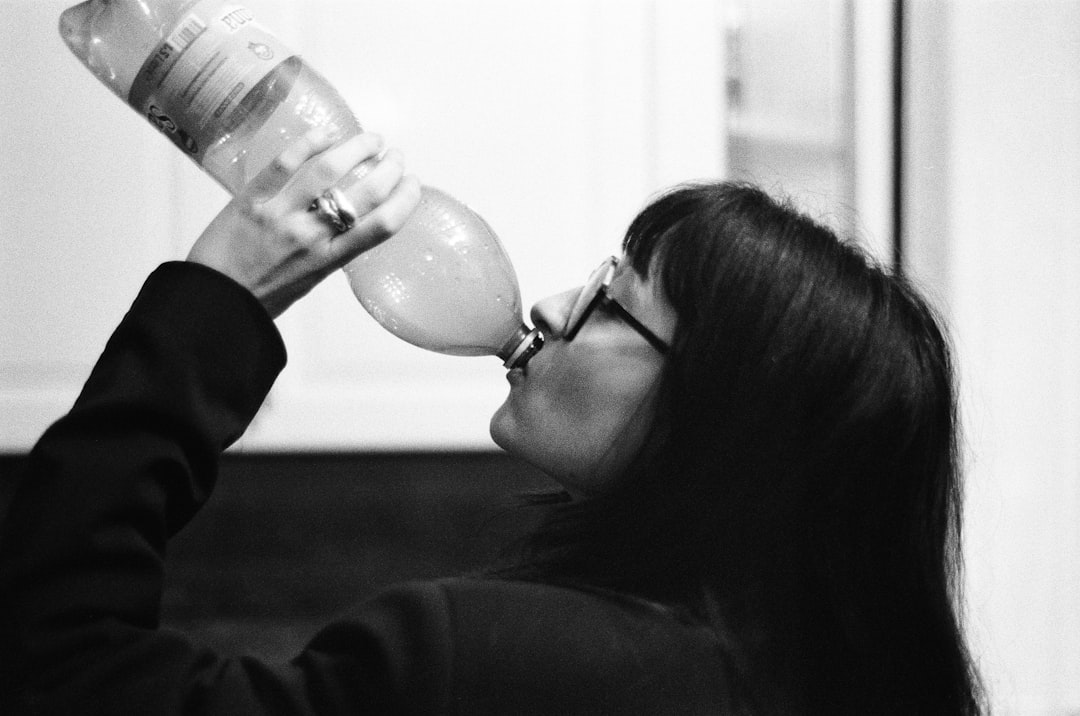
You have probably heard you should drink eight glasses of water a day. But is that actually right for your body, your lifestyle, and your health situation?
The honest answer: there is no single number that works for everyone. Daily water intake varies by age, sex, pregnancy status, activity level, and whether you are breastfeeding. Most of your water comes from beverages, but foods with high water content also count.
What Affects Your Daily Water Needs
Several factors change how much water your body needs each day:
- Age and sex: Children, adults, men, and women have different baseline needs.
- Pregnancy and breastfeeding: These conditions increase fluid requirements.
- Activity level: Exercise and physical labor increase water loss through sweat.
- Climate: Hot or humid weather increases fluid needs.
- Health conditions: Fever, vomiting, diarrhea, and certain medications can change how much water you need.
For most healthy adults, thirst is a reliable signal that it is time to drink. But thirst may not be reliable for young children, older adults, or people on certain medications.
Where Your Daily Water Comes From
Your daily water intake is not just from the glass you drink. You get fluids from two main sources:
- Beverages: Water, coffee, tea, milk, juice, and other drinks all contribute to your total fluid intake.
- Food: Many fruits and vegetables have high water content. Watermelon, cucumbers, oranges, and lettuce are examples of foods that add to your hydration.
Plain drinking water is ideal because it has no calories, no added sugar, and no caffeine. But other beverages count toward your total.
Quick Self-Check: Are You Drinking Enough?
Use these practical signs to gauge whether your fluid intake is adequate:
- Do you rarely feel thirsty during the day?
- Is your urine light yellow or pale straw-colored?
- Do you urinate regularly, about every few hours?
- Are you free from headaches or dry mouth?
- Do you drink water when you eat meals?
If you answered yes to most of these questions, you are likely meeting your daily water needs. If you answered no to several, your fluid intake may be too low.
When to Get Medical Advice
Talk to a healthcare provider if:
- You feel constantly thirsty even after drinking water.
- You urinate much more or much less than usual.
- You have a medical condition that affects fluid balance, such as kidney disease, heart failure, or certain medications.
- You are pregnant, breastfeeding, or have a fever, diarrhea, or vomiting and are unsure how much to drink.
- A healthcare provider has given you a specific fluid restriction or target.
Some medical conditions require limiting fluids, while others require increasing them. Personalized medical advice is essential when your situation is not typical.
FAQ
Does coffee or tea count toward my daily water intake?
Yes. Plain coffee and tea are low-calorie beverages that contribute to fluid intake. They do contain caffeine, but for most adults, moderate caffeine intake does not cause dehydration.
Do I need to drink more water in hot weather?
Yes. Your body needs more water in hot climates, during physical activity, or when you have a fever. Sweating increases fluid loss, so you need to replace it.
Can I get water from food?
Yes. Foods with high water content, such as many fruits and vegetables, add to your fluid intake. This is one reason why a diet rich in produce supports hydration.
Is thirst a reliable sign that I need to drink?
For most healthy adults, thirst is a good signal. But older adults, young children, and people on certain medications may not sense thirst reliably. In those cases, a regular drinking schedule may be more helpful.
How do I know if I am drinking enough?
Urine color, regular urination, and absence of thirst are common practical signs. Light yellow urine usually means you are well hydrated. Dark yellow or amber urine may suggest you need more fluids.
Common Mistakes
- Relying on a fixed number: The “eight glasses” rule is a rough guideline, not a medical requirement. Your actual needs may be higher or lower.
- Ignoring thirst: If you are thirsty, drink. Waiting too long can lead to mild dehydration.
- Assuming all drinks are equal: Sugary drinks, energy drinks, and alcohol have downsides. Plain water is the best daily choice.
- Forgetting food sources: Fruits and vegetables contribute to hydration, especially in summer.
Summary
Daily water intake is not one-size-fits-all. Your needs depend on your age, sex, activity level, health status, and environment. For most people, drinking when thirsty and eating water-rich foods is enough. Use urine color and thirst as practical guides, and talk to a healthcare provider if you have concerns about your fluid intake.
This article is for general information only and cannot replace diagnosis, treatment, or advice from a qualified medical professional. If you have concerns about your fluid intake or symptoms of dehydration, consult a healthcare provider.
Final words
More reading and next steps
That is the main thread of the article. Keep the links below handy, and use the related posts to continue exploring the same topic from a different angle.
References and links
- CDC: Water and Healthier Drinks CDC guidance on daily water intake, water sources, and healthier drink choices
- Academy of Nutrition and Dietetics: How Much Water Do You Need? Practical guidance on daily water needs from nutrition experts
- CDC: Drinking Water FAQ Common questions about drinking water and hydration
Comments