Why Can't I Fall Asleep? Common Sleep Hygiene Mistakes to Avoid
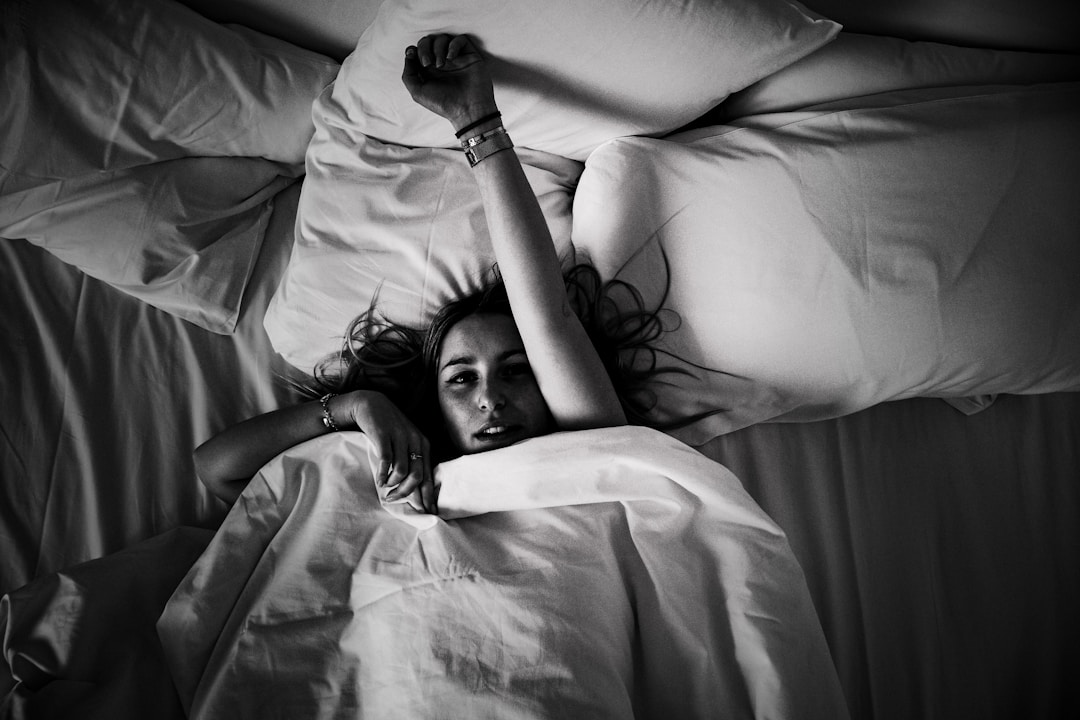
You crawl into bed tired, but your mind races and your body won’t settle. You wonder if the coffee at 4 PM, the workout at 8 PM, or something else you didn’t think about is keeping you awake.
Common sleep barriers include caffeine consumed after lunch, evening alcohol intake, exercise within two hours of bedtime, and late afternoon naps longer than 30 minutes. Identifying which habits affect you personally helps target the most effective changes.
Why Daytime Choices Affect Nighttime Sleep
Sleep hygiene mistakes often go unnoticed because people don’t connect daytime habits to nighttime struggles. Caffeine’s effects can last for hours after consumption. Alcohol disrupts sleep quality after the initial sedating effect wears off. Exercise raises body temperature and alertness. Long naps reduce sleep pressure at bedtime.
If you feel tired at night but cannot fall asleep, your daytime patterns may be part of the reason.
Caffeine: Timing and Sensitivity
Caffeine is a stimulant that blocks adenosine, a chemical that promotes sleepiness. Its effects can last six hours or more depending on individual metabolism.
For most people, avoiding caffeine after lunch is a safe guideline. If you are highly sensitive to caffeine, you may need to stop earlier in the day.
Consider:
- Coffee, tea, energy drinks, and many sodas contain caffeine
- Decaf coffee still contains small amounts
- Chocolate and some medications also include caffeine
If you drink caffeine in the afternoon and lie awake at bedtime, try switching to caffeine-free options after noon for a week and observe the result.
Alcohol: Sedation Is Not Sleep
Alcohol may help you feel sleepy at first, but it disrupts sleep quality. After the initial sedating effect wears off, alcohol becomes stimulating and reduces REM sleep, the stage important for memory and mood.
Even moderate drinking within three hours of bedtime can cause mid-night awakenings and lighter sleep overall.
If you use alcohol to fall asleep but wake up tired, consider stopping evening drinks or moving them earlier in the evening.
Exercise: When It Helps and When It Hinders
Exercise generally improves sleep quality, but timing matters. Exercise raises body temperature, heart rate, and alertness. For some people, exercising within two hours of bedtime delays sleep onset.
This effect varies. Some people sleep well after evening workouts, especially if the exercise is moderate rather than intense.
If you exercise late and struggle to fall asleep, try shifting workouts earlier by one to two hours and observe whether sleep onset improves.
Naps: Duration and Timing
Naps can be helpful, but long or late naps reduce sleep pressure, the natural drive to sleep that builds during the day.
Guidance from sleep experts:
- Keep naps under 30 minutes
- Avoid napping after 3 PM
- Short naps earlier in the day can boost alertness without harming nighttime sleep
If you nap for an hour at 4 PM and cannot fall asleep at bedtime, shortening the nap or moving it earlier may help.
Other Factors: Food and Nicotine
Large meals close to bedtime: Eating a heavy dinner less than three hours before lying down may cause discomfort, heartburn, or alertness that delays sleep.
Nicotine: Like caffeine, nicotine is a stimulant. Smoking or using nicotine products near bedtime can interfere with sleep onset.
Quick Self-Check
Quick Self-Check: Are Your Daytime Habits Keeping You Awake?
- Do you drink coffee, tea, or soda after lunch most days? (Yes = potential caffeine issue)
- Do you drink alcohol within three hours of bedtime? (Yes = potential alcohol issue)
- Do you exercise within two hours of lying down? (Yes = potential exercise timing issue)
- Do you nap after 3 PM or for longer than 30 minutes? (Yes = potential nap issue)
- Do you eat dinner less than three hours before bedtime? (Yes = potential food timing issue)
- Do you smoke or use nicotine products near bedtime? (Yes = stimulant issue)
If two or more answers suggest issues, try adjusting one habit for a week and observe changes.
How to Track Your Patterns
A sleep diary can help you identify personal patterns. For one to two weeks, note:
- What you consumed and when (caffeine, alcohol, food)
- Exercise timing and intensity
- Nap timing and length
- Bedtime and how long it took to fall asleep
Review the diary to see which habits correlate with difficult sleep onset.
When to Seek Medical Advice
Consider professional evaluation if:
- Sleep onset problems persist after two weeks of hygiene adjustments
- You consistently lie awake for more than 30 minutes despite feeling tired
- Sleep difficulty accompanies anxiety, mood changes, or chronic pain
- You suspect medications may be affecting sleep
FAQ
Q: How long before bed should I stop caffeine? A: For most people, avoiding caffeine after lunch is a safe guideline. If you are highly sensitive, you may need to stop earlier.
Q: Will one glass of wine really affect my sleep? A: Yes, even moderate alcohol can reduce sleep quality by disrupting REM sleep and causing awakenings after the initial sedation wears off.
Q: Can I exercise at night if it doesn’t bother me? A: Yes, some people sleep fine after evening exercise. If you notice difficulty falling asleep, try earlier timing.
Q: Are naps always bad? A: No, short naps under 30 minutes earlier in the day can be helpful. Long or late naps are more likely to cause problems.
Q: What about herbal tea or decaf coffee after lunch? A: Decaf contains small amounts of caffeine. Herbal teas without caffeine are safer choices for afternoon and evening.
Q: How do I know if my medications affect sleep? A: Check labels or ask your doctor. Some medications cause alertness, restlessness, or other sleep-disrupting side effects.
Common Mistakes
- Assuming caffeine from afternoon coffee cannot affect bedtime sleep
- Using alcohol as a sleep aid without knowing it reduces sleep quality
- Thinking exercise timing does not matter for sleep
- Napping too long or too late without tracking the effect
- Ignoring nicotine’s stimulating effects near bedtime
- Expecting one change to fix all sleep problems
Summary
If you cannot fall asleep despite feeling tired, daytime habits may be interfering. Caffeine after lunch, evening alcohol, late exercise, and long naps are common barriers. Adjust one habit at a time, track results with a sleep diary, and observe whether sleep onset improves before adding more changes.
Disclaimer
This article provides general information about sleep hygiene and is not a substitute for professional medical advice, diagnosis, or treatment. Persistent sleep problems should be discussed with a qualified healthcare provider.
Final words
More reading and next steps
That is the main thread of the article. Keep the links below handy, and use the related posts to continue exploring the same topic from a different angle.
Comments