How to Create the Ideal Sleep Environment: Temperature, Light, and Noise Tips
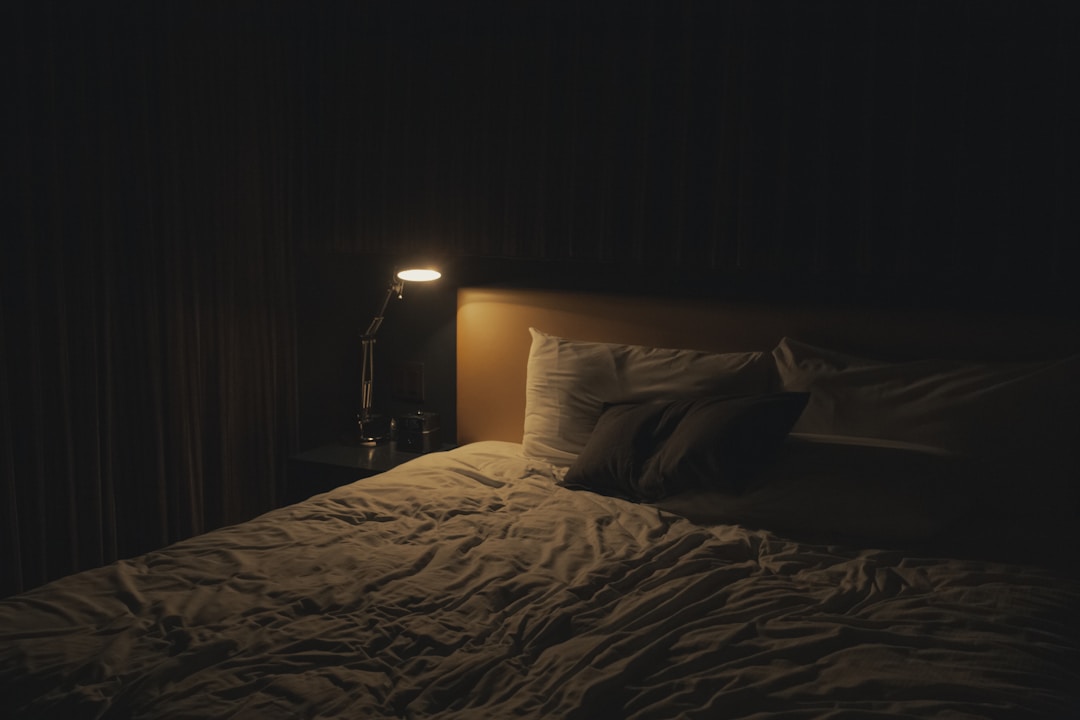
You lie down exhausted, but the street light glows through the window, your neighbor’s TV hums through the wall, and the room feels too warm. Your body wants to rest, but your surroundings won’t let you.
Most people sleep best in a bedroom kept at 65°F to 68°F (about 18°C to 20°C), with minimal light and manageable noise. Using blackout curtains, sound-masking options, and a comfortable mattress can help create conditions that support uninterrupted sleep.
Why Your Sleep Environment Matters
A cool, dark, and quiet bedroom signals the brain that it’s time to sleep. Temperature affects the body’s natural cooling process during sleep onset. Light exposure suppresses melatonin, the hormone that regulates sleep-wake cycles. Noise disruptions can fragment sleep cycles without you fully noticing.
Sleep environment is a core part of sleep hygiene. If your bedroom works against your body instead of with it, even good daytime habits may not help enough.
Temperature: What Range Works Best
For most adults, a bedroom temperature between 65°F and 68°F supports better sleep. This range allows your body temperature to drop naturally as part of the sleep onset process.
If you can’t control your thermostat precisely:
- Use lighter bedding in warmer months
- Add a fan or open a window if safe and practical
- Layer blankets so you can adjust during the night
Temperature needs vary. Some people prefer slightly cooler or warmer rooms. If you wake up sweaty or cold, your temperature may need adjustment.
Light: How to Block and Reduce It
Even small amounts of light can affect sleep quality. Street lights, hallway lamps, and device LEDs all contribute.
Options for reducing light:
- Blackout curtains or shades: Block outside light at the source
- Sleep mask: Helpful if curtains are not an option or you travel often
- Cover small LEDs: Devices, power strips, and clocks often glow
- Dim or remove hallway lights: If light enters through the door
A sleep test: After turning off all lights, can you see your hand clearly? If yes, there may be too much light entering the room.
Noise: Masking and Managing Sound
Noise from traffic, neighbors, appliances, or household members can interrupt sleep without waking you fully. You may not remember the disruptions but still feel tired in the morning.
Noise management options:
- White noise machine or app: Provides consistent background sound that masks sudden noises
- Earplugs: Helpful for some, uncomfortable for others
- Soft rugs or curtains: Absorb some sound within the room
- Seal gaps around doors: Reduces outside noise entering the room
Research does not clearly favor one type of noise (white, pink, brown) over another. Choose what feels most soothing.
Other Bedroom Factors
Mattress and pillows: Most mattresses last 7 to 10 years. If yours is sagging, lumpy, or causing discomfort, replacement may improve sleep. Pillows should support your neck without causing strain.
Bedroom use: Using your bedroom only for sleep strengthens the mental association between the space and rest. Working, watching TV, or scrolling on your phone in bed can weaken that connection.
Pets and shared beds: Some people sleep well with pets or partners. Others are disrupted by movement, snoring, or different schedules. If you regularly wake from bed-sharing, consider whether separate arrangements would help.
Quick Self-Check
Quick Self-Check: Is Your Bedroom Helping or Hurting Your Sleep?
- Can you see your hand clearly with lights off at night? (Yes = too much light)
- Do you hear traffic, neighbors, or appliances clearly while lying down? (Yes = noise issue)
- Does the room feel warm or stuffy within an hour of lying down? (Yes = temperature issue)
- Is your mattress over 7 to 10 years old or visibly sagging? (Yes = mattress issue)
- Do you use the bedroom for work, TV, or other non-sleep activities? (Yes = mixed-use issue)
- Do pets or children regularly share your bed? (Yes = potential disruption)
If three or more answers suggest issues, try changing one factor at a time. Observe results for a week before adding another change.
When to Seek Medical Advice
Environmental adjustments may not solve sleep problems caused by other factors. Consider professional evaluation if:
- Sleep does not improve after several weeks of environmental changes
- You regularly wake up gasping, choking, or feeling unable to breathe
- You feel persistently tired during the day despite adequate sleep opportunity
- Sleep problems began with new medications or health changes
FAQ
Q: What if I can’t control my room temperature? A: Use lighter bedding, a fan, or open a window if safe. Focus on what you can adjust rather than ideal conditions.
Q: Does a sleep mask work as well as blackout curtains? A: A mask can help, but it may shift during sleep and some people find it uncomfortable. Curtains address light at the source.
Q: Is white noise better than pink noise or brown noise? A: Research does not strongly favor one type. Try different options and use whichever feels most soothing to you.
Q: How often should I replace my mattress? A: Most mattresses last 7 to 10 years. Replace sooner if it shows sagging, lumps, or causes regular discomfort.
Q: Can pets in the bedroom affect sleep? A: They can, especially if they move, snore, or wake you. Some people sleep fine with pets; others benefit from separate spaces.
Q: What about sleeping with a window open? A: Fresh air may help some people, but outdoor noise, light, and temperature shifts can disrupt sleep. Balance based on your situation.
Common Mistakes
- Assuming small amounts of light or noise do not matter
- Overheating the bedroom because it feels cozy before bed
- Using the bedroom for work, TV, or phone scrolling
- Keeping an old mattress because it feels familiar
- Ignoring noise from outside or other rooms
- Expecting immediate improvement without trial and adjustment
Summary
A sleep-friendly bedroom tends to be cool, dark, and quiet. Most people sleep better at 65°F to 68°F with light and noise minimized. Blackout curtains, white noise, and a supportive mattress are practical tools. Adjust one factor at a time and observe whether sleep improves before making more changes.
Disclaimer
This article provides general information about sleep environments and is not a substitute for professional medical advice, diagnosis, or treatment. If you have persistent sleep problems, consult a qualified healthcare provider.
Final words
More reading and next steps
That is the main thread of the article. Keep the links below handy, and use the related posts to continue exploring the same topic from a different angle.
References and links
- Harvard Health: Sleep Hygiene Simple Practices Harvard Health recommendations for sleep environment including temperature range
- CDC Sleep Guidelines CDC overview of sleep duration and hygiene basics
- National Sleep Foundation Consensus Statement 2023 Research consensus on sleep hygiene practices including environmental factors
Comments