What Are Whole Grains? How to Choose and Eat Them for Better Health
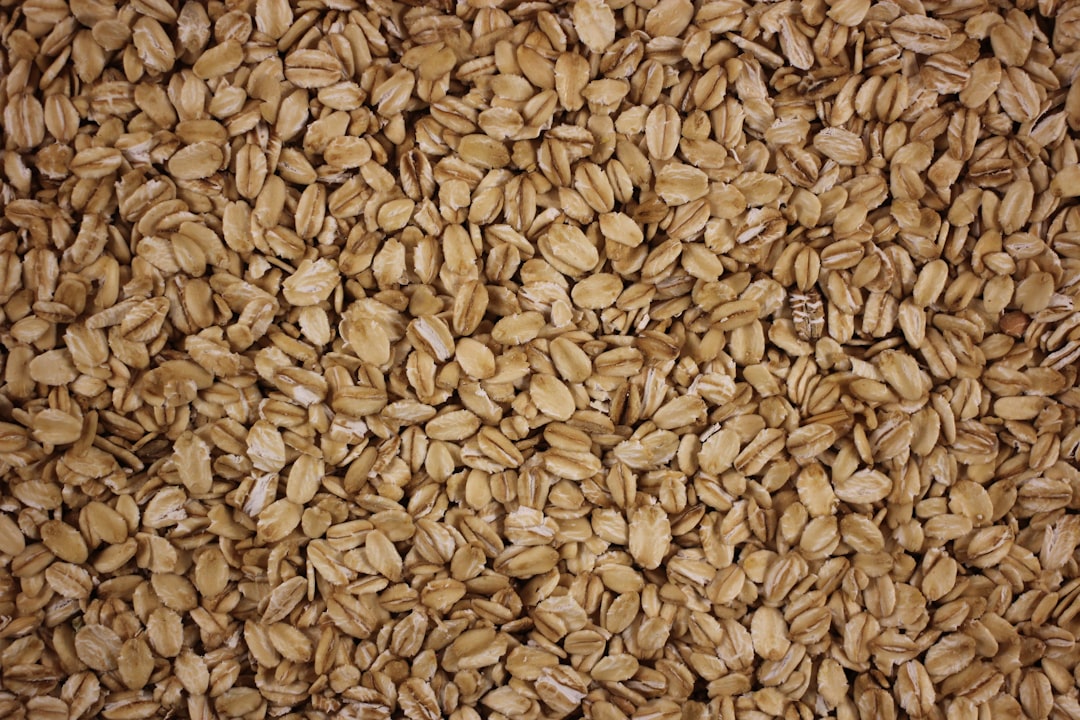
You’ve seen “whole grain” labels on bread, cereal, and pasta—but are they really whole grain? And even if they are, how much should you actually eat? If the terms “whole grain,” “refined grain,” and “coarse grain” leave you confused, this guide explains what matters and what doesn’t.
The Direct Answer
Whole grains are grains that retain their complete kernel structure (bran, germ, and endosperm) during processing. Adults should aim for 50-100 grams of whole grains daily, ideally at least one meal per day. They provide fiber, B vitamins, and minerals that refined grains lack.
The key distinction is that the grain must remain intact. Products labeled “multigrain,” “brown,” or “coarse” without the word “whole” are often still refined.
Why This Definition Matters
Many consumers assume that “brown bread” or “multigrain cereal” is automatically healthy. But without the intact kernel structure, these products may still be primarily refined flour with added coloring or small amounts of other grains.
The official definition is strict: a true whole grain product must list a whole grain as the first ingredient—for example, “whole wheat flour,” “whole oats,” or “whole grain barley.”
The Three Parts of a Whole Grain
A whole grain kernel consists of:
- Bran – The outer layer, rich in fiber, B vitamins, and minerals
- Germ – The inner part, containing healthy fats, vitamin E, and antioxidants
- Endosperm – The starchy middle layer, providing energy
Refining removes the bran and germ, leaving only the endosperm. This strips away most of the fiber, vitamins, and minerals.
How Much to Eat Daily
The recommendation is 50-100 grams of whole grains per day for adults. This translates to:
- About 1-2 servings of whole grain products daily
- At least one meal per day should include whole grains
- Current average intake in many populations falls below this target
For context, a slice of whole wheat bread is roughly 30 grams, and a cup of cooked brown rice is about 150 grams.
How to Read Labels Correctly
Label terminology can be misleading. Here is what to look for:
What Counts as Whole Grain
- First ingredient is a whole grain: “whole wheat flour,” “whole oats,” “whole grain corn,” “brown rice”
- 100% whole grain claim: Some products explicitly state this
- Whole Grain Stamp: Some products carry certification marks
What Does NOT Automatically Count
- “Multigrain” – Means multiple grains, but they may all be refined
- “Brown” – Often just coloring; check the ingredient list
- “Wheat bread” – Without “whole,” this is likely refined wheat flour
- “Stone-ground” – Does not guarantee the grain is whole
Always check the ingredient list. If the first ingredient does not include the word “whole,” the product is likely not a true whole grain product.
Common Whole Grains
Here are widely available whole grains:
- Brown rice – The whole grain version of white rice
- Oats – Including rolled oats, steel-cut oats, oatmeal
- Quinoa – A seed often treated as a grain, naturally whole
- Whole wheat – Used in bread, pasta, and flour
- Barley – Often used in soups and side dishes
- Millet – A small grain used in porridge or side dishes
- Buckwheat – Another seed treated as a grain
- Whole grain corn – Including cornmeal and popcorn
Tips for People with Digestive Concerns
Whole grains are high in fiber, which can cause bloating or discomfort if introduced too quickly. If you have irritable bowel syndrome, chronic digestive issues, or are new to whole grains:
- Start gradually: Increase fiber intake over weeks, not days
- Mix with refined grains: A 1:3 ratio (whole to refined) can ease digestion
- Choose easier options: Oats and millet may be gentler than brown rice
- Drink water: Fiber needs adequate hydration to work properly
- Talk to a doctor: If symptoms persist, seek medical advice
Cooking and Storage Tips
Cooking Methods
- Brown rice takes longer to cook than white rice; soaking can help
- Oats are quick to prepare as oatmeal or overnight oats
- Quinoa cooks similarly to rice and needs rinsing before cooking
- Toasting grains before cooking can improve flavor
Storage
Whole grains contain more unsaturated fatty acids, so they spoil faster than refined grains. Tips:
- Store in airtight containers
- Keep in a cool, dry place
- Refrigerate or freeze for longer storage
- Check for odor or taste changes before using
Quick Self-Check: Is Your Grain Intake Really Whole?
- Does your bread, cereal, or pasta list “whole wheat,” “whole oats,” or “whole grain” as the first ingredient?
- Do you eat at least one meal with whole grains each day?
- Can you see intact grain kernels or pieces in your food (for example, brown rice, oatmeal)?
- Do you avoid products labeled only “multigrain,” “brown,” or “wheat” without “whole”?
- If you have digestive issues, do you mix whole grains with refined grains?
If you answered “no” to 2 or more, you may not be getting true whole grain benefits.
When to Get Medical Advice
Consult a doctor or registered dietitian if:
- You have celiac disease or gluten sensitivity (some whole grains contain gluten)
- You have irritable bowel syndrome or chronic digestive issues
- Increasing fiber intake causes persistent bloating, gas, or discomfort
- You have diabetes and need guidance on carbohydrate management with whole grains
FAQ
Is brown rice always whole grain?
Yes, if it is truly brown rice with intact kernel structure. Authentic brown rice retains the bran and germ. Check labels to ensure you are getting genuine brown rice, not colored or processed alternatives.
Are multigrain products whole grain?
Not necessarily. “Multigrain” just means multiple grains were used—they may all be refined. Check the ingredient list; if no whole grain appears first, it is likely not a true whole grain product.
How do I know if a product is whole grain?
Look for “whole” before the grain name in the ingredient list. For example, “whole wheat flour” or “whole oats” as the first ingredient. The Whole Grain Stamp on packaging is another indicator.
Why do whole grains spoil faster?
They contain more unsaturated fatty acids in the germ, which oxidize quicker than the refined grain’s pure starch. Proper storage in cool, dry conditions helps extend shelf life.
Can I eat whole grains if I have IBS?
Yes, but start with small amounts and choose lower-fiber options like oats. Mixing whole grains with refined grains (for example, half brown rice, half white rice) can help reduce discomfort. Gradual increase is key.
Do whole grains help with weight control?
Evidence suggests they may help maintain healthy weight due to fiber content and satiety. Whole grains digest more slowly, which can help you feel full longer compared to refined grains.
Common Mistakes
-
Assuming “brown” means whole grain Many “brown” products are just refined grains with coloring. Read the ingredient list.
-
Eating too much too fast A sudden jump in fiber intake can cause bloating and discomfort. Increase gradually.
-
Believing “multigrain” is automatically healthy Multigrain often means refined grains mixed together, not necessarily whole grains.
-
Ignoring storage limits Whole grain products can spoil. Check dates and store properly.
-
Skipping label reading Marketing claims do not always reflect actual content. The ingredient list is the reliable source.
Summary
- Whole grains retain the complete kernel (bran, germ, endosperm)
- Aim for 50-100 grams daily, at least one meal per day
- Check ingredient lists for “whole” as the first grain listed
- Start gradually if you are new to whole grains or have digestive concerns
- Store properly—whole grains spoil faster than refined
Start by checking the ingredient list on your next bread or cereal purchase. If the first ingredient does not include “whole,” consider switching to a true whole grain product.
This article is for general information only and cannot replace diagnosis, treatment, or advice from a qualified medical professional. If you have digestive disorders, diabetes, or other health conditions, consult a doctor or registered dietitian before significantly increasing whole grain intake.
Final words
More reading and next steps
That is the main thread of the article. Keep the links below handy, and use the related posts to continue exploring the same topic from a different angle.
Comments