How Much Fish and Seafood Should You Eat Each Week? A Nutrition Guide
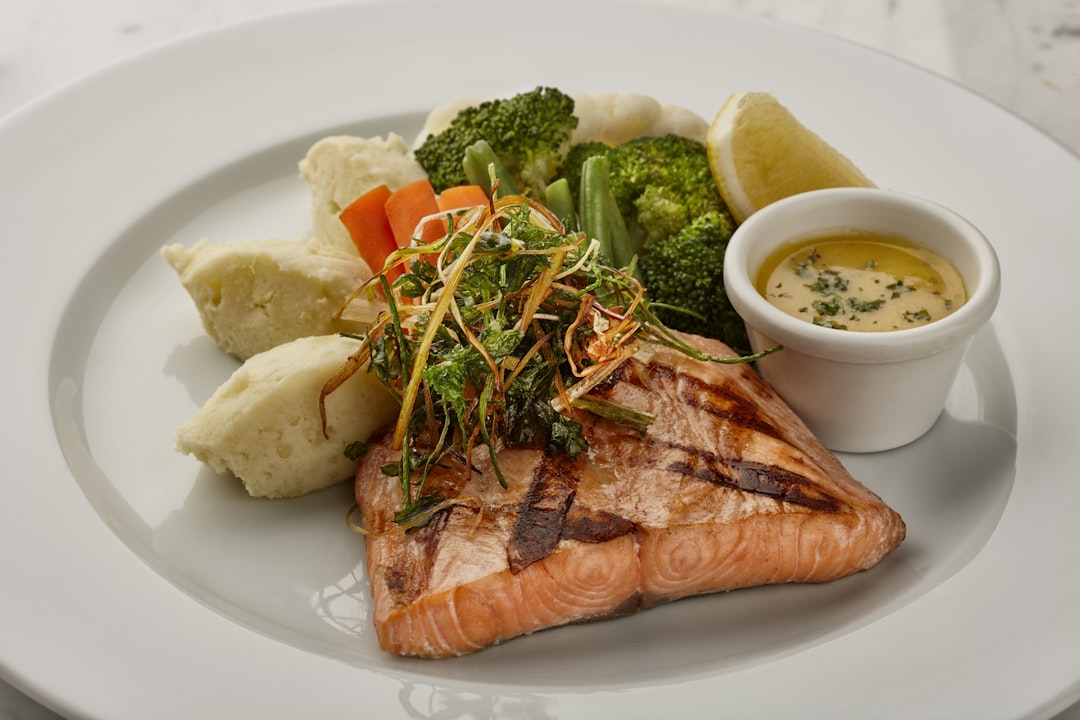
You know fish is “healthy”—but how often should you actually eat it? And does “once a week” count, or is that too little? If you’re unsure about portion sizes, confused by different fish types, or wondering whether frozen fish counts, this guide gives you clear, practical answers.
The Direct Answer
Adults should eat fish, shrimp, or shellfish 1-2 times per week, totaling about 300-500 grams. Children, pregnant women, breastfeeding mothers, and older adults may benefit from slightly higher intake. Fish and seafood provide high-quality protein, omega-3 fatty acids, and key micronutrients with relatively low saturated fat.
This recommendation is based on nutritional analysis of protein quality, omega-3 content, and micronutrient density. Unlike vague advice like “eat fish regularly,” this gives measurable targets you can plan into your weekly meals.
Why Fish and Seafood Are Valuable
High-Quality Protein
Fish provides complete protein with all essential amino acids. The protein is easily digestible and lower in saturated fat compared to many meat sources.
Omega-3 Fatty Acids
Fatty fish (salmon, mackerel, sardines, eel) are rich in EPA and DHA—omega-3 fatty acids linked to:
- Heart health
- Brain function
- Reduced inflammation
These omega-3s are harder to obtain from other food sources.
Micronutrients
Different seafood provides different nutrients:
- Fatty fish: Vitamin D, vitamin A
- Shellfish (clams, oysters): Iron, zinc, iodine
- Seaweed (kelp, wakame, nori): Iodine, vitamin K, folate
Types of Fish and Their Profiles
Fatty Fish
High in omega-3s and fat-soluble vitamins:
- Salmon
- Mackerel
- Sardines
- Eel
- Herring
- Trout
Lean Fish
Lower in fat, still high in protein:
- Cod
- Tilapia
- Flounder
- Pollock
- Haddock
Shellfish
Good sources of minerals:
- Shrimp
- Clams
- Oysters
- Crab
- Mussels
Seaweed
Rich in iodine and other micronutrients:
- Kelp
- Wakame
- Nori
How Much to Eat Weekly
The target is 300-500 grams per week. This can be:
- 1-2 meals of fish or seafood
- Roughly 150-250 grams per meal (a typical fillet portion)
- Variety across fish, shrimp, and shellfish
For most adults, two fish meals per week meets the target comfortably.
Best Cooking Methods
Cooking affects nutrient retention, especially for omega-3s:
Recommended Methods
- Steaming: Preserves omega-3s, minimal added fat
- Quick stir-frying: Fast cooking retains nutrients
- Braising: Gentle, flavor-enhancing
- Baking or roasting: Good for larger fillets
- Poaching: Gentle method, no added fat
Methods to Limit
- Deep-frying: Adds excess fat, can degrade omega-3s
- Long high-heat cooking: Can reduce sensitive nutrients
Fresh fish tastes best when cooked simply. Over-processing can reduce both flavor and nutritional value.
Frozen Fish: Does It Count?
Yes—properly stored frozen fish retains most nutrients. Guidelines:
- Choose sealed, well-packaged products
- Check for minimal ice crystals inside (indicates proper storage)
- Use within recommended storage time
- Avoid long-term frozen storage, which degrades quality
Frozen fish is a practical option when fresh fish is not available or when time is limited.
Quick Self-Check: Are You Eating Enough Fish and Seafood?
- Do you eat fish or seafood at least once per week?
- Do your weekly portions total roughly 300-500 grams?
- Do you choose different types (fish, shrimp, shellfish) rather than just one kind?
- Do you use cooking methods that preserve nutrients (steaming, light stir-fry)?
- If you freeze fish, do you seal it properly and avoid long storage?
If you answered “no” to 3 or more, your current fish intake likely falls below recommendations.
Special Considerations
Pregnant and Breastfeeding Women
Omega-3 intake is beneficial during pregnancy and breastfeeding. However, some fish may contain contaminants. Consult a healthcare provider for guidance on:
- Which fish types are safest
- How much to eat
- Whether omega-3 supplements are appropriate
Children
Fish provides important nutrients for growth. Intake may be slightly higher than adult recommendations. Consult pediatric guidance for age-appropriate portions.
Older Adults
Fish is easier to digest than some meats and provides protein for muscle maintenance. Higher intake may benefit this group.
People with Specific Conditions
- Seafood allergies: Avoid fish and shellfish entirely
- Gout: Some seafood is high in purines; consult a doctor
- Kidney disease: Protein intake may need monitoring
When to Get Medical Advice
Talk to a doctor if:
- You are pregnant or breastfeeding and uncertain about safe fish types
- You have seafood allergies (shellfish, fish)
- You have gout and need guidance on purine content in certain seafood
- You have kidney disease and need to manage protein intake
- You experience digestive issues after eating certain fish or shellfish
Storage Tips for Frozen Fish
Proper storage maintains quality:
- Seal tightly in airtight packaging
- Keep frozen at consistent temperature
- Isolate from other foods to prevent cross-contamination
- Label with date and use within recommended timeframe
- Thaw in refrigerator, not at room temperature
- Cook promptly after thawing
FAQ
Is frozen fish as nutritious as fresh?
If stored properly (sealed, short duration), frozen fish retains most nutrients. Long storage degrades quality. Fresh fish has better taste and texture, but frozen is nutritionally acceptable.
Does canned fish count toward weekly intake?
Yes, but check labels for added salt, oil, or sugar. Canned salmon, sardines, and tuna can contribute to weekly targets. Fresh or properly frozen is preferred when available.
What if I don’t like fish—can I substitute?
Partially. Omega-3 supplements or other protein sources can help, but whole fish provides additional micronutrients like vitamin D and selenium. If you dislike most fish, try different types or preparation methods.
Should pregnant women eat fish?
Yes, omega-3 is beneficial for fetal development. But certain fish may contain mercury or other contaminants. Consult a doctor about safe fish choices. Low-mercury options like salmon and sardines are often recommended.
Why is steaming recommended over frying?
Steaming preserves omega-3 fatty acids and avoids adding extra fat from oil. High-heat frying can degrade sensitive fats and increase overall fat intake.
How do I know if frozen fish is still good?
Check for excessive ice crystals, discoloration, or strong odor. Properly sealed fish should have minimal frost inside and a neutral smell. If thawed fish smells strongly or looks dull, it may have degraded.
Common Mistakes
-
Over-frying fish Deep-frying adds excess fat and can reduce omega-3 benefits.
-
Storing frozen fish too long Nutrient loss occurs over time. Use frozen fish within recommended periods.
-
Ignoring variety Eating only one type of fish misses the broader nutrient profile from shellfish, lean fish, and fatty fish.
-
Assuming all seafood is equal Different types provide different nutrients. Fatty fish for omega-3s, shellfish for minerals.
-
Skipping fish entirely Some people avoid fish due to convenience or preference, missing a valuable protein and nutrient source.
Summary
- Aim for 300-500 grams of fish or seafood per week (1-2 meals)
- Choose variety: fatty fish, lean fish, shellfish
- Prefer gentle cooking methods like steaming or quick stir-fry
- Frozen fish is acceptable when stored properly
- Consult a doctor if pregnant, allergic, or have specific health conditions
Start by adding one fish meal to your week. If you already eat fish occasionally, try adding a second meal or a different type to broaden your nutrient intake.
This article is for general information only and cannot replace diagnosis, treatment, or advice from a qualified medical professional. If you have seafood allergies, gout, kidney disease, or are pregnant, consult a doctor before making significant changes to your fish and seafood intake.
Final words
More reading and next steps
That is the main thread of the article. Keep the links below handy, and use the related posts to continue exploring the same topic from a different angle.
Comments