How to Sleep Better at Night: Practical Sleep Hygiene Tips That Actually Work
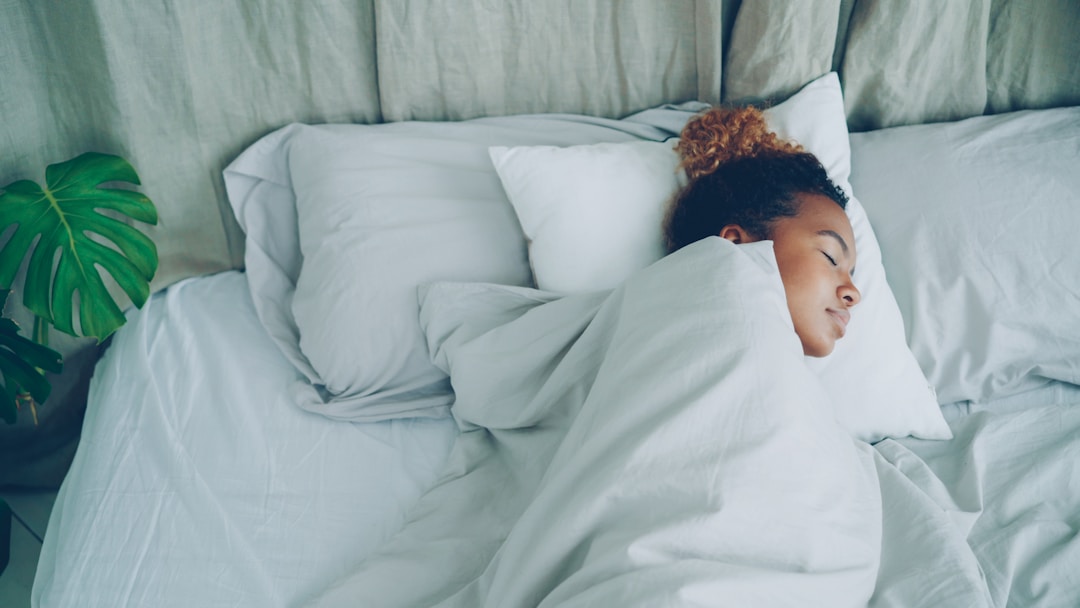
You lie down exhausted, but your mind keeps racing. The clock shows 2 AM, and you know tomorrow will be another groggy day. This frustrating cycle leaves you wondering what simple changes might actually help you sleep.
The direct answer: Establishing a consistent sleep schedule, creating a comfortable bedroom environment, and avoiding stimulating activities before bed are the most effective ways to improve sleep quality. Most adults need 7-8 hours of sleep per night, and even small adjustments to your routine can make a noticeable difference within a few weeks.
Why Sleep Hygiene Matters
Sleep quality depends on predictable routines and an environment that signals “rest time” to your body. Irregular schedules, uncomfortable bedrooms, and late-night stimulants disrupt your body’s natural sleep-wake cycle (circadian rhythm), making it harder to fall asleep and stay asleep.
When your body knows when to expect sleep, it can prepare. When your bedroom is dark, quiet, and cool, your brain receives clear “sleep now” signals. When you avoid caffeine and screens before bed, you remove the obstacles that keep you awake.
1. Set a Consistent Sleep Schedule
Your body runs on an internal clock. Going to bed and waking up at roughly the same time every day helps this clock work properly.
What to try:
- Choose a bedtime that allows 7-8 hours of sleep before you need to wake up
- Stick to this schedule on weekends too - large shifts confuse your body
- If you currently go to bed very late, shift your bedtime 15 minutes earlier each night rather than making a drastic change
The source article from a Chinese public health outlet emphasizes regular作息时间 (consistent sleep schedule) as a core sleep hygiene practice.
2. Create a Bedroom That Helps You Sleep
Your sleep environment matters more than most people realize.
Key factors:
- Light: Make your room as dark as possible. Blackout curtains or a sleep mask can help if streetlights or early morning sun interfere
- Noise: If you hear traffic, neighbors, or appliances, consider a white noise machine or earplugs
- Temperature: Most sources recommend 65-68°F (18-20°C) as ideal, though personal preference varies. The source mentions温湿度适宜 (comfortable temperature and humidity) without giving specific numbers
- Bed comfort: A mattress and pillow that support your preferred sleep position reduce physical discomfort that can wake you
3. Change What You Do Before Bed
The hour before sleep sets the stage for how quickly and deeply you fall asleep.
What to avoid:
- Caffeine after 2 PM: Coffee, tea, and energy drinks stay in your system for hours
- Screens: Phones, tablets, and TVs emit blue light that suppresses melatonin (the hormone that signals sleep time). Most experts recommend at least 30-60 minutes of screen-free time before bed
- Intense exercise or exciting content: Vigorous activity and stimulating entertainment can leave your mind too active to settle
- Heavy meals: Eating a large meal close to bedtime can cause discomfort and interfere with sleep
What helps instead:
- Light reading (a physical book, not a tablet)
- Gentle stretching or relaxation exercises
- A consistent pre-bed routine like brushing teeth, changing clothes, and dimming lights
Quick Self-Check: Do You Need a Sleep Routine Reset?
Answer these questions honestly:
- Do you go to bed and wake up at roughly the same time most days?
- Is your bedroom dark enough that you cannot see your hand in front of your face?
- Can you hear significant noise (traffic, neighbors, appliances) from your bed?
- Do you drink coffee, tea, or energy drinks after 2 PM?
- Do you use your phone or watch TV in the last hour before bed?
- Do you often feel tired during the day even after a full night’s sleep?
If 3 or more answers suggest problems (no regular schedule, bright room, late caffeine, screen use, or ongoing fatigue), a sleep hygiene reset may help before considering medical evaluation.
When to Seek Medical Advice
Sleep hygiene helps many people, but some sleep problems need professional attention. Consider seeing a healthcare provider if:
- You consistently take more than 30 minutes to fall asleep over several weeks
- You wake up frequently and cannot return to sleep
- You feel tired despite sleeping 7+ hours for weeks
- You experience loud snoring, gasping, or breathing pauses during sleep (possible signs of sleep apnea)
- You have unusual sensations in your legs that disturb sleep
Chronic insomnia and sleep disorders often require different approaches beyond basic hygiene changes.
FAQ
How long before bed should I stop using my phone?
Most sleep experts recommend at least 30-60 minutes of screen-free time before bed. Blue light from screens suppresses melatonin, the hormone that signals sleep time. Some people benefit from an even longer screen-free window.
Is it okay to nap during the day?
Short naps (20-30 minutes) in early afternoon can help some people feel more alert. However, long or late naps may interfere with nighttime sleep. The source suggests 30-60 minute summer naps, but timing matters - napping after 3 PM often hurts nighttime sleep more than it helps.
What temperature is best for sleeping?
Most sources recommend 65-68°F (18-20°C) as ideal for most people. Your body naturally cools during sleep, and a cool room supports this process. Personal preference varies - some people sleep better slightly warmer or cooler.
Will reading before bed help me sleep?
Light reading on paper (not a screen) can help relax your mind and create a transition from daytime activity to rest. Avoid intense, exciting content that stimulates your brain instead of calming it.
What if I still cannot sleep after trying these tips?
If sleep problems persist for more than 2-3 weeks despite consistent hygiene habits, consider seeing a healthcare provider. Chronic insomnia may need different approaches, including cognitive behavioral therapy for insomnia (CBT-I) or evaluation for underlying conditions.
Common Sleep Hygiene Mistakes
Even people who try to improve sleep often make these errors:
- Trying too many changes at once: Changing everything overnight rarely works. Start with one or two adjustments, then add more gradually.
- Expecting instant results: New sleep habits typically take 1-3 weeks to show clear benefits. Patience matters.
- Ignoring the weekend: Sleeping until noon on Saturday can shift your body clock enough to make Sunday night difficult.
- Using alcohol to fall asleep: Alcohol may help you fall asleep faster, but it often reduces sleep quality and causes wake-ups later in the night.
- Obsessing over sleep tracking: Constantly checking sleep apps can create anxiety that actually hurts sleep.
Summary
Better sleep usually comes from consistent habits rather than dramatic changes. A regular schedule, a dark and cool bedroom, and a calm pre-bed routine form the foundation of good sleep hygiene. Small adjustments often matter more than perfect conditions.
If basic changes do not help after several weeks, or if you have symptoms that suggest a sleep disorder, seek professional advice rather than continuing to struggle alone.
This article provides general information about sleep hygiene and is not a substitute for professional medical advice, diagnosis, or treatment. If you have persistent sleep problems or symptoms that concern you, please consult a qualified healthcare provider.
Final words
More reading and next steps
That is the main thread of the article. Keep the links below handy, and use the related posts to continue exploring the same topic from a different angle.
References and links
- CDC Sleep and Sleep Disorders Public health information about sleep requirements, sleep disorders, and tips for better sleep
- NIH Sleep Information National Heart, Lung, and Blood Institute resources on sleep health and sleep disorders
- The Paper: Daily Health Tips Chinese public health article covering sleep hygiene, oral care, and daily habits
Comments