Oral Hygiene Mistakes to Avoid: Common Brushing and Dental Care Pitfalls
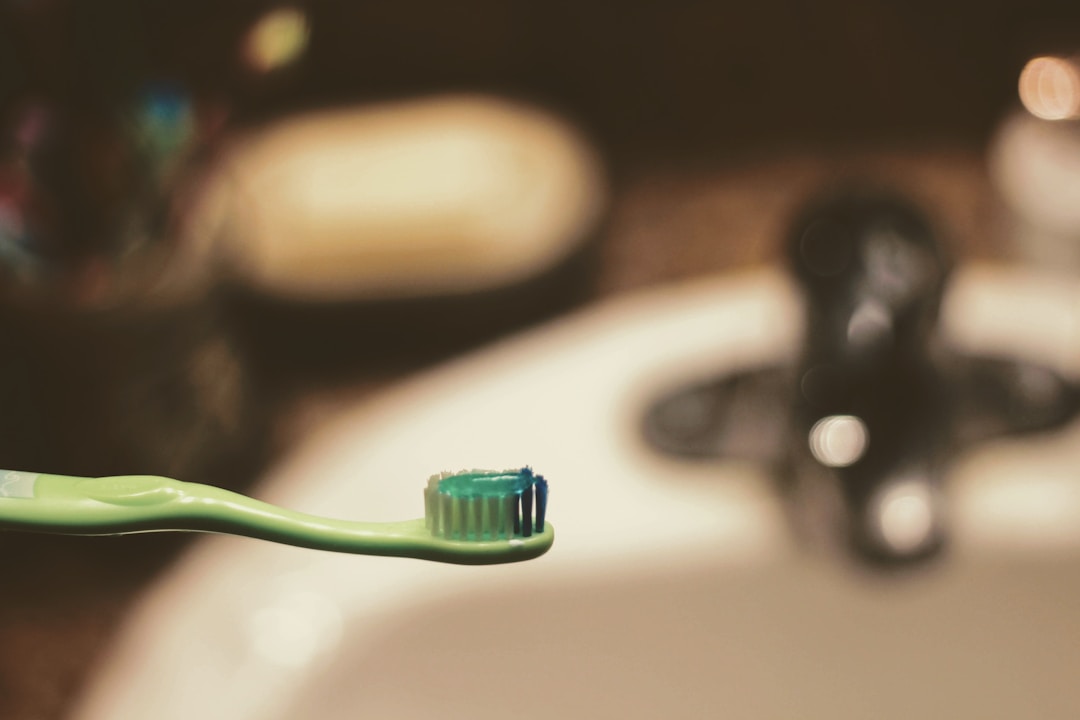
You brush twice a day and still get cavities. Your gums bleed when you floss. The dentist finds plaque in spots you thought you were cleaning. Something in your routine might be working against you instead of for you.
The direct answer: Common oral hygiene mistakes include using worn-out toothbrushes, brushing with the wrong technique, skipping night brushing, and neglecting regular dental check-ups. Proper brushing involves gentle circular motions at the gumline, not aggressive scrubbing across tooth surfaces. Fixing these habits often improves oral health within weeks.
Why Technique Matters More Than Frequency
Many people assume that “brushing often” equals “brushing well.” But technique, timing, and tool quality matter more than frequency. Worn bristles clean poorly. Wrong angles miss plaque at the gumline. Skipping nighttime brushing lets bacteria multiply for hours.
Brushing more often with bad technique can even hurt your teeth - aggressive scrubbing wears down enamel and irritates gums.
Mistake 1: Using a Worn-Out Toothbrush
Bristles fray and lose effectiveness over time. A toothbrush that “still looks fine” to you may actually be cleaning poorly.
What to check:
- If bristles look bent, frayed, or flattened, the brush needs replacement
- The ADA recommends replacement every 3-4 months; the Chinese source suggests 1-2 months - both agree that worn bristles clean poorly
- If you have been using the same brush for more than 3 months, replace it now
A student who used the same toothbrush for 6 months because it “still looked fine” developed gum inflammation that a dental check-up caught. Replacing brushes more frequently would have prevented this.
Mistake 2: Wrong Brushing Direction
Scrubbing straight across teeth with a back-and-forth motion misses the most important area: where teeth meet gums.
Correct technique:
- Hold the brush at a 45-degree angle toward the gumline
- Use gentle circular or short back-and-forth motions at this angle
- Brush upper teeth downward from the gumline; brush lower teeth upward from the gumline (上牙从上往下刷,下牙从下往上刷 as the source describes)
- Brush the outer surfaces, inner surfaces, and chewing surfaces of all teeth
- Spend about 2 minutes total, covering all areas
A working adult who brushed aggressively straight across teeth for years wore down enamel and irritated gums. Learning the correct angle and gentle motion protected both teeth and gums.
Mistake 3: Skipping Night Brushing
Morning brushing feels essential - you want clean teeth before facing the day. But night brushing matters more for preventing problems.
Why night brushing is critical:
- Food residue from the day stays on teeth overnight
- Bacteria multiply while you sleep, producing acids that damage enamel
- The source emphasizes晚上必须刷牙 (must brush at night) because overnight food residue breeds bacteria
If you skip night brushing because you “already brushed in the morning,” you leave bacteria free to work for 8 hours.
Mistake 4: Neglecting Dental Check-ups
Daily brushing and flossing remove most plaque, but some areas are hard to reach. Professional cleaning removes buildup that home care misses.
What regular visits provide:
- Removal of tartar (hardened plaque that brushing cannot remove)
- Early detection of cavities, gum disease, and other problems
- Professional advice on your specific oral health needs
The source recommends annual口腔健康检查和洁牙 (annual oral health check and professional cleaning). Skipping check-ups for more than a year allows hidden problems to develop.
Mistake 5: Choosing the Wrong Toothbrush Type
Not all toothbrushes are equally helpful.
What to look for:
- Soft bristles: Hard bristles can damage enamel and gums. The source specifies刷毛柔软 (soft bristles)
- Small head: A smaller head reaches more areas, especially back teeth. The source recommends刷头较小 (small head)
- Rounded tip: Rounded bristle tips are gentler on gums. The source mentions顶端圆钝 (rounded tip)
For most people, a soft-bristled brush with a compact head works best.
Quick Self-Check: Are Your Brushing Habits Helping or Hurting?
- Have you used your current toothbrush for more than 3 months?
- Do you brush with a scrubbing motion straight across teeth?
- Do you sometimes skip brushing at night because you brushed in the morning?
- Do you press hard enough that bristles bend sharply against your teeth?
- Have you avoided a dental check-up for more than a year?
- Do your gums bleed regularly when you brush or floss?
If 2 or more answers suggest problematic habits, a brushing technique review and dental visit may help before problems worsen.
When to See a Dentist
Some oral health signs need prompt professional attention. See a dentist if you notice:
- Bleeding gums when brushing or flossing (not just occasional minor bleeding)
- Persistent tooth pain or sensitivity to hot and cold
- White spots or dark spots on teeth that do not resolve
- Loose teeth or shifting bite
- Bad breath that does not improve with better hygiene
- Swelling or lumps in the mouth or jaw
These symptoms may indicate gum disease, cavities, or other problems that need treatment beyond better brushing.
FAQ
How often should I really replace my toothbrush?
Every 3-4 months according to the ADA, or sooner if bristles look frayed. The Chinese source suggests 1-2 months. Both agree: worn bristles clean poorly. If you cannot remember when you started using your current brush, check the bristles - bent or frayed means replace now.
Do I really need to brush at night if I brushed in the morning?
Yes. Nighttime brushing removes food residue from the day. Without it, bacteria multiply overnight, producing acids that damage teeth. Morning brushing removes overnight buildup, but night brushing prevents the buildup from happening.
Is an electric toothbrush better than a manual one?
Some studies show electric brushes remove more plaque, especially for people who struggle with proper technique. However, a manual brush used correctly also works well. The source does not address this comparison directly. If you find manual brushing difficult or inconsistent, an electric brush may help.
Why do my gums bleed when I floss?
Bleeding often indicates gum inflammation from plaque at the gumline. Consistent gentle flossing usually reduces bleeding within 1-2 weeks as gums heal. If bleeding persists despite regular flossing, see a dentist - this may indicate gum disease.
What toothpaste should I use?
For most people, fluoride toothpaste helps prevent cavities. The source notes含氟牙膏 has “防龋效果最明显” (most obvious cavity prevention effect). If you have specific needs (sensitivity, gum issues), consult a dentist about specialized options.
Common Brushing Mistakes Beyond Technique
Even with good technique, other habits can hurt your oral health:
- Brushing too hard: Aggressive pressure wears enamel and irritates gums. Gentle pressure works better.
- Brushing immediately after acidic food: Acid temporarily softens enamel. Wait 30 minutes after acidic food or drink before brushing.
- Ignoring flossing: Brushing cannot reach between teeth effectively. Daily flossing removes plaque from these areas.
- Using mouthwash as a replacement: Mouthwash can help, but it does not replace brushing and flossing.
Summary
Good oral hygiene depends on proper technique, regular tool replacement, and consistent habits. A soft-bristled brush used at the correct angle, twice-daily brushing (especially at night), and regular dental visits form a solid foundation.
If your current habits include common mistakes, small adjustments can improve your oral health without requiring major lifestyle changes.
This article provides general information about oral hygiene and is not a substitute for professional dental advice, diagnosis, or treatment. For persistent dental problems or concerns, please consult a qualified dentist or oral health professional.
Final words
More reading and next steps
That is the main thread of the article. Keep the links below handy, and use the related posts to continue exploring the same topic from a different angle.
References and links
- American Dental Association (ADA) Oral Health Topics ADA resources on oral health research, brushing recommendations, and dental care best practices
- CDC Oral Health Public health information on oral diseases, prevention, and dental health programs
- The Paper: Daily Health Tips Chinese public health article covering oral hygiene, sleep, and daily health habits
Comments