How Much Salt, Oil, and Sugar Should You Limit Each Day? Clear Numbers
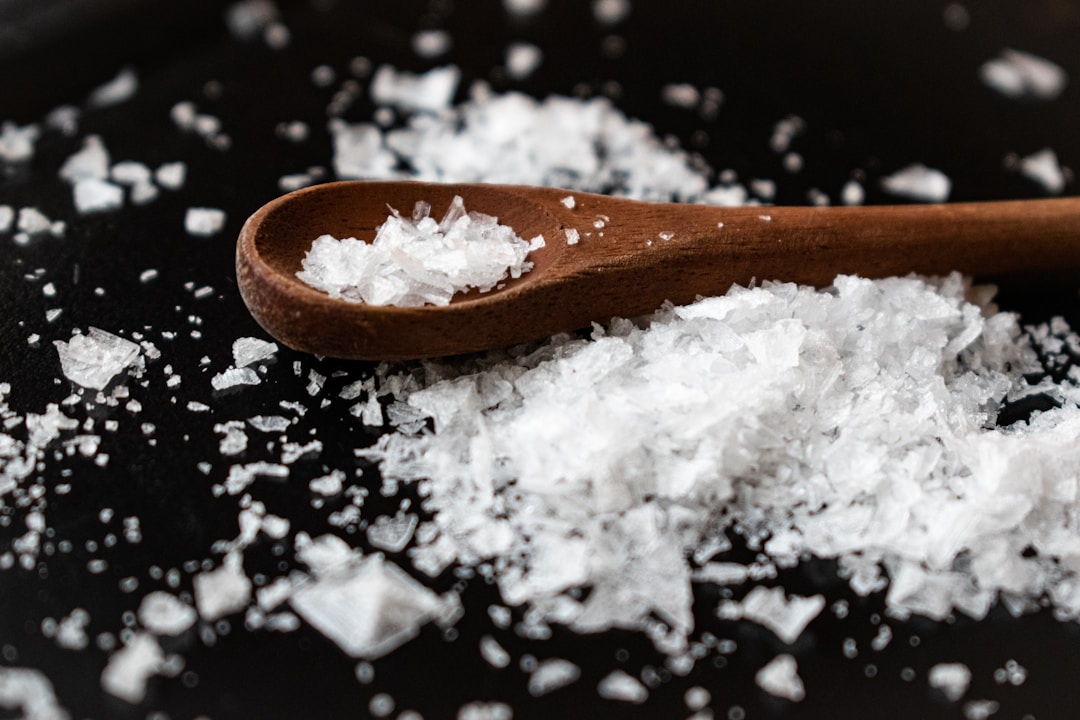
When you cook at home or pick up packaged foods, you might wonder: “How much salt is actually too much?” A pinch here, a splash of soy sauce there—it adds up faster than most people realize. The same goes for oil and sugar. They hide in everyday foods, and exceeding healthy limits often happens without feeling obvious.
Here is the direct answer: adults should limit daily salt to 5g or less (about one beer bottle cap), cooking oil to 25-30g, and added sugar to under 25g. Trans fats should stay below 2g daily. For alcohol, healthy adults should limit intake to 15g of alcohol content per day, while children, pregnant women, and those with chronic conditions should avoid alcohol entirely.
These numbers are small enough to be achievable but require awareness of hidden sources. Knowing exact gram limits gives you concrete targets instead of vague advice like “cut back.”
Why These Limits Matter
High salt intake is linked to high blood pressure, heart disease, and stroke. Excessive oil adds hidden calories and can contribute to weight gain and cholesterol issues. Added sugar, especially from beverages and processed foods, spikes blood sugar and increases the risk of type 2 diabetes and obesity.
The limits are not about eliminating these entirely—they are about keeping amounts within a range that supports health without triggering harm. The challenge is that many common foods already contain hidden salt, oil, and sugar before you even add anything yourself.
Salt: 5g or Less Per Day
What 5g Looks Like
5g of salt is roughly:
- One standard beer bottle cap filled level
- About one teaspoon
- 2g of sodium (salt is about 40% sodium by weight)
This is a small amount, and most people exceed it without realizing. The 5g limit includes all salt you consume—whether added at home, in packaged foods, or in restaurant dishes.
Where Salt Hides
Hidden salt sources include:
- Soy sauce, oyster sauce, and other condiments (1 tablespoon of soy sauce can have 1-2g salt)
- Processed meats (sausages, ham, bacon, deli meats)
- Packaged snacks (chips, crackers, flavored nuts)
- Canned foods (soups, vegetables with added salt)
- Restaurant and fast food meals (often high in salt for flavor)
If you add salt at home and eat processed or restaurant foods, your daily intake can easily reach 8-10g or more—double the recommended limit.
How to Reduce Salt
- Use herbs, spices, vinegar, and lemon juice to add flavor instead of relying on salt
- Rinse canned foods to remove added salt
- Choose fresh or frozen vegetables over canned when possible
- Gradually reduce salt over weeks—your taste buds adjust to lower salt levels
- Read nutrition labels for sodium content
Cooking Oil: 25-30g Per Day
What 25-30g Looks Like
One tablespoon of oil is roughly 10-15g. Two tablespoons for all cooking across the day is near the upper limit. Many people pour oil freely when cooking and easily exceed this in one meal.
Practical Tips
- Use measuring spoons instead of pouring freely
- Switch to non-stick pans to reduce the oil needed
- Steam, boil, or bake some dishes instead of stir-frying everything
- Avoid deep-frying regularly—one deep-fried meal can use 40-50g of oil or more
- When eating out, dishes labeled “stir-fried” often use more oil than home cooking
Oil adds calories quickly: 1g of oil provides about 9 calories. Using 40g instead of 25g adds over 130 extra calories per day, which can accumulate over time.
Added Sugar: Under 25g Per Day
What Counts as “Added Sugar”
Added sugar means sugar added during processing or preparation, not natural sugar in whole fruit or plain dairy. Sweetened beverages, candy, baked goods, and many packaged snacks contain added sugar.
Many nutrition labels now show “added sugar” separately from total sugar, which helps you track this.
Where Added Sugar Hides
- Bottled sweetened beverages (tea drinks, juice drinks, soda)—one bottle can have 15-30g added sugar
- Packaged baked goods (cookies, cakes, pastries)
- Flavored yogurt and dairy products
- Condiments like ketchup, salad dressings, and sweet sauces
- Breakfast cereals and granola bars
If you drink two sweetened beverages in a day, you may already exceed the 25g limit.
How to Reduce Added Sugar
- Choose water or unsweetened tea instead of bottled drinks
- Read labels for “added sugar” content
- Swap flavored yogurt for plain yogurt with fresh fruit
- Limit packaged desserts to occasional treats
Trans Fats: Under 2g Per Day
Trans fats are created during partial hydrogenation of oils and are linked to increased heart disease risk. They appear in some:
- Fried fast foods
- Packaged baked goods (cookies, crackers, pastries)
- Margarine and spreads made with partially hydrogenated oils
The guideline recommends keeping trans fats under 2g daily. In practice, this means avoiding foods made with partially hydrogenated oils whenever possible. Check ingredient labels for “partially hydrogenated” to identify sources.
Some countries have banned trans fats in processed foods, but they may still appear in certain products depending on local regulations.
Alcohol: 15g Alcohol Content for Healthy Adults
The limit is expressed as pure alcohol content, not drink volume. 15g of pure alcohol is roughly:
- One standard beer (330ml at 5% alcohol)
- One glass of wine (150ml at 12% alcohol)
- One shot of spirits (45ml at 40% alcohol)
This is a maximum for healthy adults, not a recommendation to drink daily. If you do not currently drink, there is no health benefit to starting.
Who should avoid alcohol entirely:
- Children and adolescents
- Pregnant women
- People with liver disease
- People taking medications that interact with alcohol
- People with certain chronic conditions
Quick Self-Check: Are Your Daily Limits Too High?
Use these questions to see if you might be exceeding recommended limits:
- Do you add salt or soy sauce to food at the table after it is already cooked?
- Do you regularly eat processed meats (sausages, ham, bacon) or packaged snacks?
- Do you drink bottled sweetened beverages (tea, juice drinks, soda) more than once daily?
- Do you cook with oil without measuring, often pouring freely from the bottle?
- Do you eat fried foods (deep-fried, not stir-fried) more than twice a week?
- Do you regularly consume packaged baked goods (cookies, cakes, pastries)?
If you answered “yes” to 3 or more, your daily salt, oil, or sugar intake may exceed healthy limits.
When to Seek Medical Advice
Some people need stricter limits or personalized guidance:
- If you have high blood pressure, you may need to reduce salt further—some guidelines recommend under 3g for hypertension
- If you have diabetes, monitoring added sugar and carbohydrate intake is more critical
- If you have heart disease or high cholesterol, limits on trans fats and saturated fats may be stricter
- If you have kidney disease, sodium and protein limits may differ based on your condition
- If you experience symptoms after drastically reducing salt (some people need gradual adjustment), talk to a doctor
Before making major dietary changes if you have multiple chronic conditions, consult your healthcare provider.
FAQ
1. Does the 5g salt limit include salt from processed foods and restaurant meals?
Yes. The 5g limit covers all salt you consume, whether added at home, in packaged foods, or in restaurant dishes. Hidden salt in processed foods often accounts for the largest portion of daily intake.
2. How can I reduce salt without food tasting bland?
Use herbs, spices, vinegar, and lemon juice to add flavor. Gradually reduce salt over weeks—your taste buds adjust. Choose fresh ingredients over processed ones, and rinse canned foods to remove added salt.
3. What counts as “added sugar”?
Added sugar is sugar added during processing or preparation, not natural sugar in whole fruit or plain dairy. Sweetened beverages, candy, baked goods, and many packaged snacks contain added sugar. Nutrition labels often show “added sugar” separately.
4. Is 25-30g of oil per day realistic for cooking?
It is achievable but requires awareness. One tablespoon of oil is roughly 10-15g, so two tablespoons per day for all cooking is near the limit. Use non-stick pans, steam or boil some dishes, and avoid deep-frying regularly.
5. Where do trans fats hide?
Trans fats appear in some fried fast foods, packaged baked goods (cookies, crackers), margarine, and foods made with partially hydrogenated oils. Check labels for “trans fat” or “partially hydrogenated” ingredients.
6. Can I drink alcohol if I follow the 15g limit?
The 15g limit is a maximum for healthy adults, not a recommendation to drink daily. If you do not currently drink, there is no health benefit to starting. Children, pregnant women, and those with certain conditions should avoid alcohol entirely.
Common Mistakes
- Ignoring hidden salt: Counting only the salt you add at home while overlooking processed foods and restaurant meals.
- Trusting “low-sodium” labels blindly: Some products labeled “low sodium” still contribute meaningful salt, especially if you eat multiple servings.
- Pouring oil freely: Using 2-3 tablespoons in one stir-fry without realizing it exceeds the daily oil target.
- Drinking “healthy” sweetened beverages: Bottled tea drinks or fruit drinks often contain as much added sugar as soda.
- Thinking natural sugar and added sugar are the same: Whole fruit contains natural sugar with fiber, which affects the body differently than added sugar in beverages.
Summary
Daily limits for healthy adults:
- Salt: 5g or less (one beer bottle cap, includes all sources)
- Cooking oil: 25-30g (about two tablespoons for all daily cooking)
- Added sugar: under 25g (watch beverages and packaged foods)
- Trans fats: under 2g (avoid partially hydrogenated oils)
- Alcohol: 15g pure alcohol for healthy adults; zero for children, pregnant women, and those with certain conditions
The key challenge is hidden sources. Most people exceed these limits not by adding too much at home, but by overlooking salt, oil, and sugar already present in processed and restaurant foods. Reading labels, measuring when cooking, and choosing fresh over processed foods help keep intake within healthy ranges.
This article provides general nutritional information based on dietary guidelines and is for educational purposes only. It cannot replace personalized dietary advice, diagnosis, or treatment from a qualified healthcare professional. If you have high blood pressure, diabetes, heart disease, kidney problems, or other health conditions, consult your doctor for specific dietary limits tailored to your situation.
Final words
More reading and next steps
That is the main thread of the article. Keep the links below handy, and use the related posts to continue exploring the same topic from a different angle.
References and links
- Chinese Dietary Guidelines (2022) Official dietary recommendations specifying daily limits for salt, oil, sugar, trans fats, and alcohol
- The Paper: Dietary Guidelines Summary Summary of the 2022 guidelines with nutrition department authorship from Armed Police Shanghai General Hospital
- World Health Organization: Sodium Intake Global recommendations on sodium limits and health impacts of high salt intake
Comments