How Much of Each Food Group Should You Eat Daily? A Practical Guide
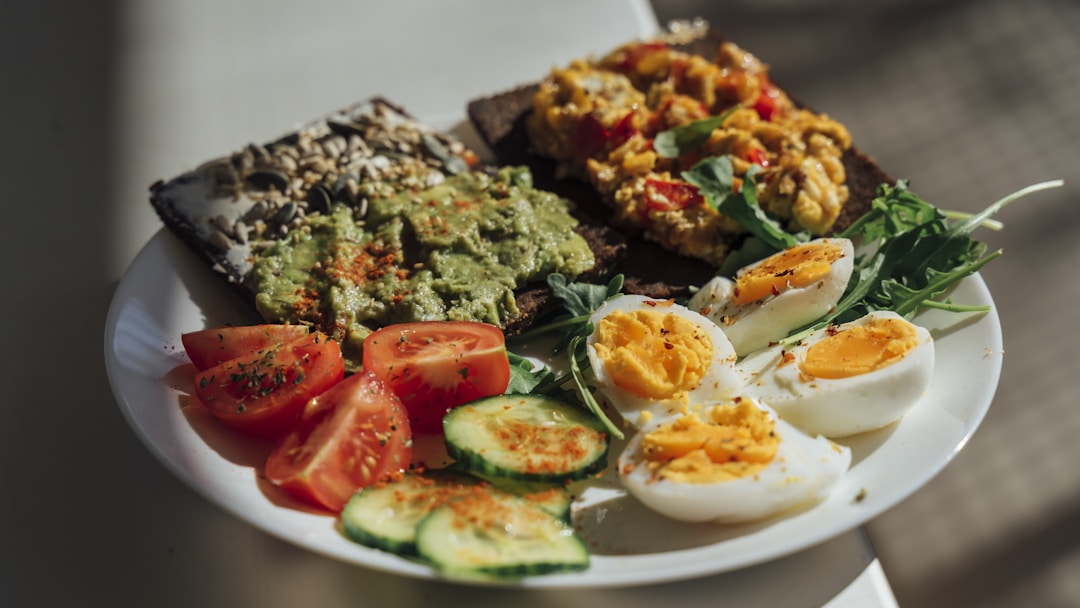
You may have heard “eat a balanced diet” dozens of times, but when you look at your plate at lunch, you might still wonder: is this enough vegetables? Did I have too much rice? The vague advice leaves you guessing instead of knowing.
Here is the direct answer: for a balanced daily diet, aim for 200-300g of grains (including 50-150g whole grains), 50-100g of tubers, 300g or more of vegetables (half should be dark-colored), 200-350g of fresh fruit, 300ml or more of dairy, and 120-200g total of fish, poultry, eggs, and lean meat. Plus, try to eat 12 or more different foods daily and 25 or more weekly.
These numbers come from nutritional science that supports energy balance and disease prevention. Knowing concrete amounts helps you move from vague goals like “eat healthier” to measurable targets you can actually track.
Why Specific Amounts Help
Gram amounts and variety counts give you something real to aim for. Instead of guessing whether your lunch is “balanced enough,” you can compare it to a standard. This makes it easier to see gaps—for example, noticing that your vegetable portion is below 300g or that your weekly variety is stuck at 15 foods instead of 25.
The recommendations are designed to cover essential nutrients without overloading calories. They are general targets for healthy adults, which means they can flex depending on your activity level, age, and health status, but they give a solid starting point.
Daily Breakdown by Food Group
Grains: 200-300g (Including 50-150g Whole Grains)
Grains provide your main energy source. The total amount includes rice, noodles, bread, and other grain-based foods. Within this, 50-150g should come from whole grains like brown rice, oats, or whole wheat.
Whole grains retain their fiber and nutrients, while refined grains (white rice, white bread) lose much of that during processing. Eating some whole grains each day helps with digestion, blood sugar control, and long-term heart health.
A rough estimate: one medium bowl of cooked rice is about 150-200g. If you eat two bowls across the day, you are close to the target. Adding a slice of whole-grain bread or a small serving of oats can cover the whole grain portion.
Tubers: 50-100g
Tubers like potatoes, sweet potatoes, and taro count separately from grains. They offer different nutrients—more vitamin C, potassium, and fiber in some cases.
About 50-100g is roughly one small potato or half a medium sweet potato. You do not need tubers every day, but including them a few times a week adds variety and nutrients.
Vegetables: 300g or More (Half Dark-Colored)
The vegetable target is one of the most important. 300g is about two medium servings—the volume of two loosely cupped hands. Half of this should come from dark-colored vegetables: dark green (spinach, kale), red (tomatoes, red peppers), orange (carrots), or purple (eggplant).
Dark-colored vegetables tend to have more vitamins, minerals, and antioxidants. If your daily vegetables are mostly light-colored (cabbage, cauliflower), try adding some spinach, carrots, or bell peppers to meet the “half dark” guideline.
Fruit: 200-350g Fresh Fruit
Fresh whole fruit is the goal here. One medium apple, banana, or orange is roughly 150-200g. Two pieces of fruit per day usually hit the target.
Juice does not replace whole fruit. Whole fruit contains fiber that slows sugar absorption and supports digestion. Juice strips most of that fiber away, leaving concentrated sugar that spikes blood sugar faster.
If you currently drink juice daily, consider switching to whole fruit or limiting juice to occasional small portions.
Dairy: 300ml or More
Dairy provides calcium, protein, and other nutrients. One standard cup of milk (about 250ml) plus a small yogurt or cheese portion can reach 300ml.
If you do not drink milk, alternatives like fortified soy milk, yogurt, or cheese can help cover the calcium needs. People who avoid dairy entirely should consider other calcium sources or discuss options with a healthcare provider.
Fish, Poultry, Eggs, and Lean Meat: 120-200g Total
This group covers your main protein sources. The 120-200g is a combined daily total, not separate amounts for each.
The weekly breakdown from the guidelines suggests:
- Fish: 300-500g per week (about two servings)
- Eggs: 6-7 per week (roughly one per day)
- Meat: 300-500g per week (lean poultry or meat)
Fish offers omega-3 fatty acids that support heart and brain health. Eggs provide high-quality protein and several vitamins. Lean meat gives protein and iron. Spreading these across the week rather than eating large portions in one meal helps with digestion and nutrient absorption.
The Variety Rule: 12 Daily, 25 Weekly
Beyond amounts, the guidelines emphasize variety. Eating 12 or more different foods each day and 25 or more each week helps ensure you cover a wider range of nutrients.
What Counts as a “Type” of Food?
Each distinct ingredient counts separately. For example:
- Rice and noodles = 2 types
- Chicken and fish = 2 types
- Carrots and spinach = 2 types
- Apple and banana = 2 types
If your daily meals repeat the same few ingredients, you might fall below 12 types even if you eat enough total food. Adding a different vegetable, switching your protein source, or including a new fruit can quickly increase variety.
Quick Self-Check: Is Your Daily Diet Balanced?
Use these questions to gauge whether you are meeting basic targets:
- Do you eat at least 3 different types of food at breakfast, lunch, and dinner combined?
- Do you include vegetables in at least 2 meals per day?
- Do you eat fresh fruit at least once daily (not juice)?
- Do you drink milk or consume dairy products daily?
- Do you eat whole grains (brown rice, oats, whole wheat) at least a few times per week?
- Do your meals include different protein sources throughout the week (fish, chicken, eggs, lean meat)?
If you answered “no” to 3 or more, your daily variety or balance may need improvement. Small changes—adding a fruit, swapping white rice for brown rice once a day, or including a new vegetable—can help close the gaps.
When to Seek Medical Advice
The amounts above are general targets for healthy adults. Some people need different guidance:
- If you have diabetes, your carbohydrate (grains, tubers, fruit) amounts may need adjustment based on your blood sugar management plan
- If you have kidney disease, protein amounts and certain vegetables might need limits
- If you are pregnant or breastfeeding, you may need higher amounts of specific nutrients
- If you have unexplained weight changes, fatigue, or new symptoms after changing your diet, talk to a healthcare provider
- If you take medications that interact with certain foods (for example, blood thinners and vitamin K-rich vegetables), discuss your diet with your doctor
A registered dietitian can help personalize these targets based on your health, activity level, and goals.
FAQ
1. What counts as one “type” of food for the 12 daily varieties rule?
Different ingredients count separately. Rice and noodles are two types. Chicken and fish are two types. Carrots and broccoli are two types. Each distinct food ingredient adds to your variety count.
2. Can I use juice instead of whole fruit?
No. The guidelines state that juice cannot replace fresh whole fruit. Whole fruit provides fiber and slower sugar absorption. Juice lacks fiber and delivers concentrated sugar that can spike blood sugar faster.
3. How do I measure 300g of vegetables without a scale?
Roughly 300g is about two medium vegetable servings, or the volume of two loosely cupped hands. Dark-colored vegetables like spinach, carrots, or bell peppers should make up half of this amount.
4. Do I need to eat all these amounts every single day?
Daily targets are guidelines, not strict rules. Missing a target occasionally is fine. The key is maintaining balance over time. Weekly targets (like fish twice a week, varied proteins) give flexibility.
5. What if I am vegetarian or do not eat certain food groups?
You can substitute within categories. For protein, replace meat with more beans, tofu, eggs, or dairy. If you exclude multiple food groups, consult a dietitian to ensure nutrient coverage.
6. Are these amounts the same for everyone?
These are general adult recommendations. Children, elderly adults, pregnant women, and people with chronic conditions may need different amounts. Ask your doctor or a registered dietitian for personalized guidance.
Common Mistakes
- Counting juice as fruit: Juice does not provide the same fiber and nutrient balance as whole fruit.
- Ignoring variety: Eating enough total food but repeating the same few ingredients misses the variety goal.
- Skipping whole grains: Relying only on refined grains (white rice, white bread) misses fiber and key nutrients.
- Misjudging vegetable portions: A small garnish of vegetables on a plate is often far below 300g.
- Overloading one food group: Eating large amounts of meat or grains while skimping on vegetables and fruit.
Summary
A balanced daily diet means:
- Grains: 200-300g, with 50-150g from whole grains
- Tubers: 50-100g
- Vegetables: 300g or more, half dark-colored
- Fruit: 200-350g fresh whole fruit (not juice)
- Dairy: 300ml or more
- Protein: 120-200g total from fish, poultry, eggs, and lean meat
- Variety: 12 or more different foods daily, 25 or more weekly
These targets give you a clear standard to check your meals against. Small adjustments—adding more vegetables, including whole grains, or diversifying your protein sources—can help you reach a more balanced intake over time.
This article provides general nutritional information based on dietary guidelines and is for educational purposes only. It cannot replace personalized dietary advice, diagnosis, or treatment from a qualified healthcare professional or registered dietitian. If you have health conditions or specific dietary needs, consult your doctor before making significant changes to your diet.
Final words
More reading and next steps
That is the main thread of the article. Keep the links below handy, and use the related posts to continue exploring the same topic from a different angle.
References and links
- Chinese Dietary Guidelines (2022) Official dietary recommendations from the National Health Commission with specific daily intake targets for each food group
- The Paper: Dietary Guidelines Summary Summary of the 2022 guidelines with nutrition department authorship from Armed Police Shanghai General Hospital
- World Health Organization: Healthy Diet Global recommendations on balanced nutrition and food group proportions
Comments