Healthy Fats vs Unhealthy Fats: What to Eat and What to Limit
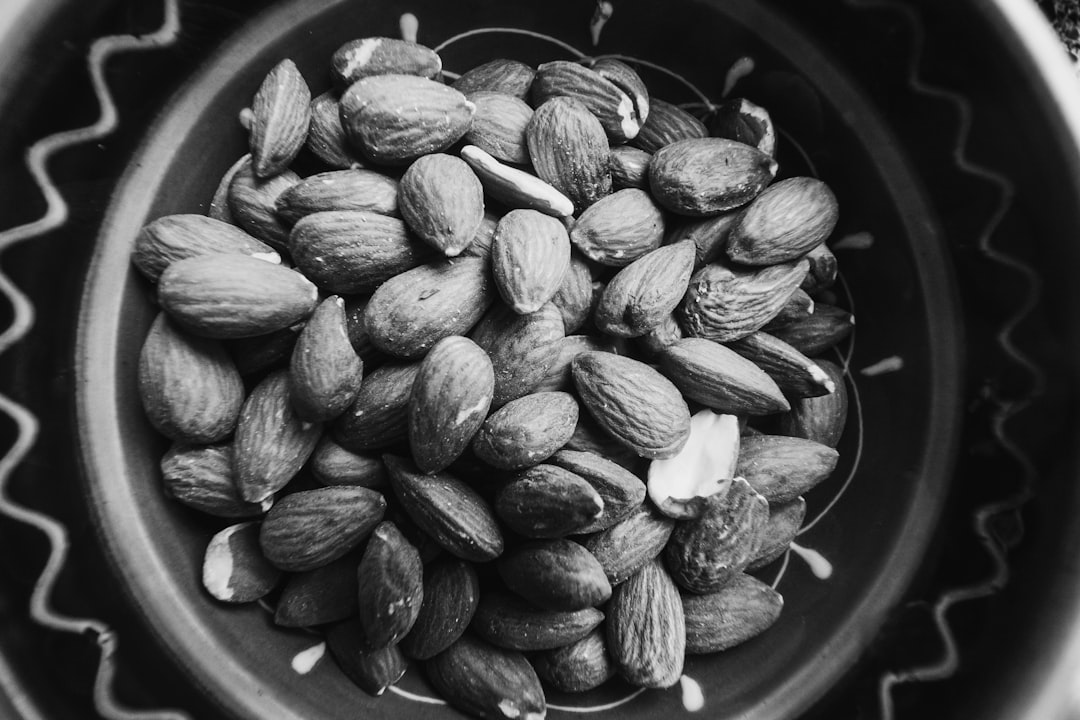
You may feel overwhelmed by conflicting messages about fats—some sources say “avoid all fat,” others promote “high-fat diets,” and grocery shelves are lined with products labeled “low-fat,” “trans-fat free,” or “made with healthy oils.” Knowing which fats actually support health helps you make confident choices.
The Direct Answer
Healthy fats (unsaturated fats from fish, avocados, nuts, and plant oils like olive and canola) support normal body function and should make up most of your fat intake. Unhealthy fats—saturated fats (from fatty meats, butter, palm oil) and especially trans fats (from processed baked and fried foods)—should be limited or avoided.
Adults should keep total fat at 30% or less of daily energy, saturated fat below 10%, and trans fat below 1% (ideally zero for industrial trans fats).
Understanding the Three Types of Fat
Unsaturated Fats (The Healthy Choice)
Unsaturated fats come mainly from plant sources and fish. They include:
- Monounsaturated fats: Olive oil, canola oil, avocados, nuts (almonds, hazelnuts, peanuts)
- Polyunsaturated fats: Sunflower oil, soybean oil, corn oil, flaxseed, walnuts, fatty fish (salmon, mackerel, sardines)
- Essential fatty acids: Omega-3 and omega-6 fatty acids that your body cannot produce and must get from food
These fats support normal cell function, help absorb certain vitamins, and are the preferred choice for most of your fat intake.
Saturated Fats (Limit These)
Saturated fats are mainly found in animal sources and some tropical plant oils:
- Fatty meats (bacon, sausage, ribs, processed meats)
- Butter, ghee, lard
- Cream and high-fat cheese
- Palm oil and coconut oil
WHO recommends limiting saturated fat to less than 10% of total daily energy. For a typical 2000-calorie diet, that is roughly 20-22 grams per day.
Trans Fats (Avoid These)
Trans fats are the most harmful. There are two types:
- Industrial trans fats: Created during food processing through hydrogenation. Found in baked goods (cookies, cakes, pastries), fried foods (french fries, fried chicken), packaged snacks, and margarines or spreads made with partially hydrogenated oils.
- Ruminant trans fats: Naturally occurring in meat and dairy from cows, sheep, and goats. These are present in smaller amounts and are not the primary concern.
WHO recommends keeping trans fat below 1% of total energy—and ideally avoiding industrial trans fats entirely. Many countries are working to ban or limit industrial trans fats in food production.
Why These Categories Matter
The evidence is clear:
- Replacing saturated fat with unsaturated fat reduces the risk of heart disease
- Trans fat intake increases the risk of heart disease more than other fats
- Essential fatty acids are necessary for health—you must get them from food
This does not mean all fat is bad. Fat is an essential nutrient. The key is choosing better-quality fats and keeping total intake moderate.
Quick Self-Check: Are Your Fat Choices Healthy?
Answer these questions to evaluate the quality of fats in your diet:
- What type of oil do you use most often for cooking?
- Do you eat fatty meats (bacon, sausage, ribs, processed meats) several times a week?
- Do you regularly eat processed baked goods (cookies, cakes, pastries) or fried fast foods?
- Do you include fish, nuts, seeds, or avocados in your weekly meals?
- Do you use butter, ghee, lard, or palm-based spreads regularly?
- Do you check nutrition labels for fat type when buying packaged foods?
Interpretation: If your answers favor saturated fat sources (butter, fatty meats) and processed snacks over unsaturated sources (olive oil, fish, nuts), consider making gradual swaps. The goal is not to eliminate fat, but to shift toward healthier sources.
Practical Swaps You Can Make
Small substitutions add up:
| Current choice | Better choice |
|---|---|
| Butter for cooking | Olive oil or canola oil |
| Fatty meat (ribs, bacon) | Lean meat, fish, or poultry without skin |
| Fried snacks | Nuts, seeds, or fresh vegetables |
| Packaged cookies or cakes | Fruit or homemade snacks with less fat |
| Cream-based sauces | Tomato-based or olive oil-based sauces |
| ”Partially hydrogenated” products | Check labels and avoid these ingredients |
Essential Fatty Acids: What You Need
Your body cannot make certain fatty acids, so you must get them from food:
- Linoleic acid (omega-6): Found in nuts, seeds, and certain vegetable oils (sunflower, soybean, corn)
- Alpha-linolenic acid (omega-3): Found in flaxseed, walnuts, chia seeds, and fatty fish
WHO recommends that fat intake should be at least 15% of daily energy to ensure adequate essential fatty acids. Adults typically need between 15% and 30% of calories from fat, with most coming from unsaturated sources.
What About Children?
Children have higher fat needs for growth and development. WHO notes that higher total fat intake may be appropriate during childhood and adolescence.
Do not apply adult fat limits to children without medical guidance. Children should get enough fat to support normal growth, while still favoring unsaturated sources.
When to Talk to a Healthcare Provider
Seek professional advice if:
- You have high cholesterol, heart disease, or a history of stroke—personalized fat targets may differ
- You are pregnant or breastfeeding—essential fatty acids are critical for fetal and infant development
- You have a condition requiring fat restriction (gallbladder disease, certain liver conditions)
- A child has growth concerns—fat intake needs careful assessment during developmental years
FAQ
Q: Is all fat bad for weight loss?
A: No. Fat is an essential nutrient, and WHO recommends at least 15% of daily energy from fat. The key is choosing unsaturated fats and keeping total intake moderate (30% or less of calories) rather than eliminating fat entirely.
Q: Are plant-based saturated fats like coconut oil healthy?
A: Coconut oil and palm oil are saturated fats, even though they come from plants. WHO recommends limiting all saturated fats to less than 10% of total energy, regardless of source.
Q: Can I trust “0g trans fat” on food labels?
A: Labeling rules vary by country, and some allow “0g” claims when trans fat is below a threshold. To truly limit trans fat, reduce intake of processed baked goods, fried foods, and prepackaged snacks—not just rely on labels.
Q: How much fish should I eat for healthy fats?
A: WHO encourages including fish in a varied diet. Fatty fish (salmon, mackerel, sardines) provide omega-3 fatty acids. Specific recommendations vary by country, but 1-2 servings per week is commonly suggested for general populations.
Q: What about children—is low-fat better for them?
A: No. Children need adequate fat for growth and development. WHO notes that higher total fat intake may be appropriate during childhood and adolescence. Do not apply adult fat limits to children without medical guidance.
Q: Are eggs a healthy fat source?
A: Eggs contain both saturated and unsaturated fats. They can be part of a balanced diet, but portion and frequency matter. For people with high cholesterol, a healthcare provider may give personalized guidance on egg intake.
Common Mistakes
- Assuming all plant oils are healthy: Palm oil and coconut oil are plant-based but are saturated fats that should be limited.
- Replacing fat with sugar: Some low-fat products add sugar to maintain taste, which can create other health problems.
- Thinking “trans-fat free” means healthy: A product may be trans-fat free but still high in saturated fat or overall calories.
- Avoiding all fat: Fat is essential. The goal is choosing better types, not eliminating fat entirely.
Summary
Healthy fats from fish, avocados, nuts, and plant oils should make up most of your fat intake. Saturated fats from fatty meats, butter, and tropical oils should be limited to less than 10% of daily energy. Trans fats, especially industrial trans fats in processed foods, should be avoided. Total fat intake should stay within 15-30% of daily energy, with at least 15% to ensure essential fatty acids. Simple swaps—like using olive oil instead of butter or choosing fish instead of fatty meat—can significantly improve fat quality without drastic changes.
Disclaimer
This article provides general information about fat intake based on WHO recommendations. It cannot replace personalized advice, diagnosis, or treatment from a qualified healthcare professional. If you have concerns about your diet, cholesterol levels, heart health, or any medical condition, please consult a doctor or registered dietitian.
Final words
More reading and next steps
That is the main thread of the article. Keep the links below handy, and use the related posts to continue exploring the same topic from a different angle.
References and links
- WHO healthy diet fact sheet WHO recommendations on healthy diet including fat intake guidelines
- WHO guideline on saturated and trans fatty acid intake Detailed WHO guideline on limiting saturated and trans fats
- WHO guideline on total fat intake WHO recommendation on total fat intake for preventing unhealthy weight gain
- WHO trans fat fact sheet WHO information on trans fat health risks and how to avoid them
Comments