How Much Sugar Should You Eat Per Day? WHO Guidelines Explained
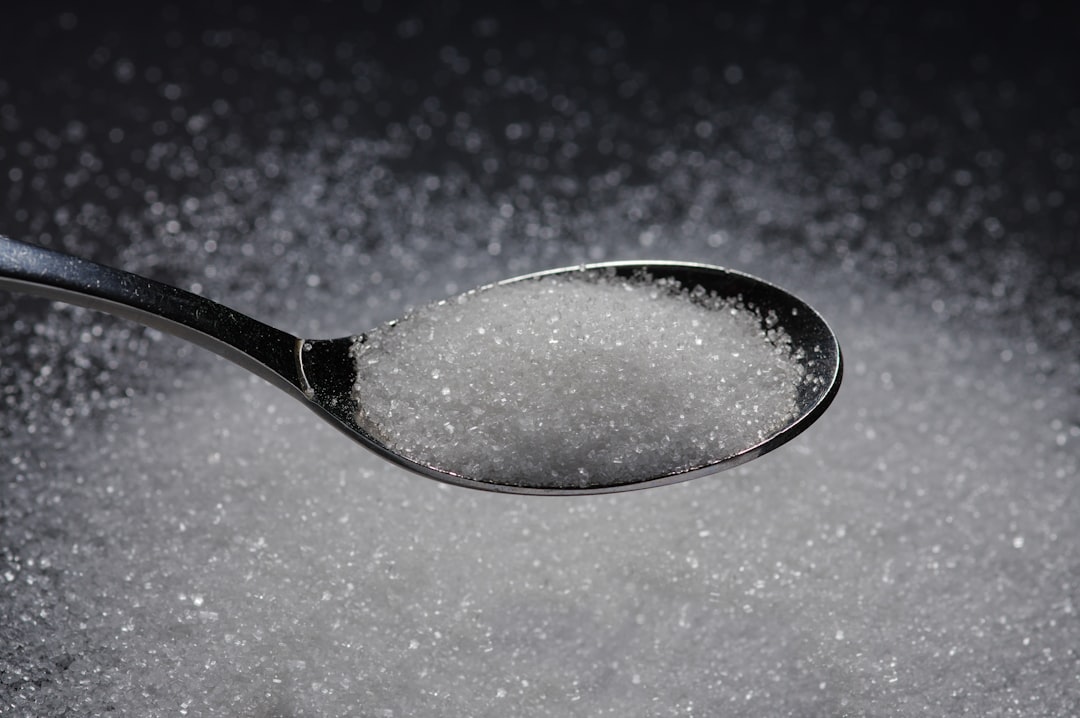
You might feel confused when reading nutrition labels—sugar appears in so many forms, and even “natural” options like honey and fruit juice can push you over the daily limit without you realizing it.
The Direct Answer
Adults should limit free sugars to less than 10% of total daily energy intake—about 50 grams (12 teaspoons) for a 2000-calorie diet. Reducing this to 5% (about 25 grams or 6 teaspoons) may provide additional health benefits.
Free sugars include all sugars added to foods and drinks by manufacturers, cooks, or consumers, plus sugars naturally present in honey, syrups, fruit juices, and fruit juice concentrates.
What Counts as Free Sugars
The WHO defines free sugars specifically:
- Added sugars: Any sugar added during food processing or preparation (table sugar, cane sugar, beet sugar, corn syrup, dextrose, fructose, glucose, maltose, sucrose)
- Natural sources that still count: Honey, maple syrup, agave syrup, fruit juices, and fruit juice concentrates—even though they come from natural sources, they are classified as free sugars
- What does NOT count: Intrinsic sugars naturally present in whole fruits, vegetables, and dairy products are not free sugars and do not need to be limited in the same way
This distinction matters. A whole apple contains intrinsic sugars that the body absorbs slowly along with fiber, vitamins, and other nutrients. A glass of apple juice, even when labeled “100% juice,” contains free sugars that enter the bloodstream quickly without the buffering effects of whole food.
How Much Sugar Is in Common Foods
You may be surprised by how quickly common items fill your daily allowance:
| Food or drink | Approximate free sugars |
|---|---|
| 1 can (330ml) regular soft drink | 35-40g (8-10 teaspoons) |
| 1 glass (250ml) fruit juice | 20-25g (5-6 teaspoons) |
| 1 flavored yogurt (150g) | 15-20g (4-5 teaspoons) |
| 2 teaspoons sugar in coffee | 8g (2 teaspoons) |
| 1 granola bar | 10-15g (2-4 teaspoons) |
| 1 tablespoon honey | 17g (about 4 teaspoons) |
A single sweetened coffee, a juice, and a flavored yogurt can already reach the 50g daily limit—before counting any other food.
Why This Limit Matters
High free sugar intake is linked to:
- Weight gain: Sugary foods and drinks add calories without providing lasting fullness
- Tooth decay: Free sugars feed bacteria that produce acid, damaging tooth enamel
- Non-communicable diseases: Consistently high sugar intake is associated with increased risk of type 2 diabetes, heart disease, and other chronic conditions
The WHO recommendations are based on evidence from systematic reviews. The 10% limit is a clear threshold for reducing risk. The 5% target offers additional protection, particularly for dental health.
Quick Self-Check: Is Your Sugar Intake Too High?
Answer these questions to gauge whether you may be exceeding the daily limit:
- Do you drink sweetened beverages (soft drinks, sweetened coffee or tea, flavored milk) more than once a day?
- Do you add sugar, honey, or syrup to food or drinks at home?
- Do you eat packaged snacks like cookies, cakes, chocolate bars, or candy most days?
- Do you drink fruit juice instead of eating whole fruit?
- Do you check nutrition labels for sugar content when buying packaged foods?
- Do you often feel a strong craving for sweet foods between meals?
Interpretation: If you answered “yes” to 3 or more of questions 1-4, or “no” to question 5, you may be consuming more free sugars than recommended. Reviewing your eating patterns and reading labels more carefully can help identify where most of your sugar comes from.
Practical Ways to Reduce Sugar
Small changes add up:
- Swap drinks: Replace soft drinks and juice with water, herbal tea, or unsweetened beverages. If you enjoy juice, try diluting it with water or limiting portion size.
- Choose whole fruit: An orange instead of orange juice gives you the same sweetness with fiber and slower absorption.
- Read labels: Look for “added sugars” or “sugars” under carbohydrates. Roughly 4g of sugar equals 1 teaspoon.
- Adjust coffee and tea: Gradually reduce the amount of sugar you add. Many people find they can cut half the sugar without noticing a big difference in taste.
- Watch “healthy” snacks: Granola bars, flavored yogurts, and breakfast cereals often contain more sugar than expected. Check labels and compare products.
- Cook more at home: Preparing meals yourself lets you control what goes into them.
When to Talk to a Healthcare Provider
Seek professional advice if:
- You have diabetes, prediabetes, or metabolic syndrome and need personalized sugar targets
- You experience symptoms like excessive thirst, frequent urination, or unexplained weight loss (possible signs of high blood sugar)
- You are pregnant or breastfeeding and need guidance on sugar intake during these periods
- A child has difficulty gaining weight or has frequent dental cavities—a dietary assessment may help
FAQ
Q: Does fruit count toward my daily sugar limit?
A: No. Whole fruits contain intrinsic sugars that are not classified as free sugars. However, fruit juice—even 100% juice—does count as free sugars and should be limited.
Q: Are honey and maple syrup healthier than white sugar?
A: According to WHO, honey, syrups, and fruit juice concentrates are all free sugars and should be limited the same way as table sugar. They may contain small amounts of other nutrients, but the sugar content still counts toward the daily limit.
Q: What about sugar-free sweeteners like stevia or aspartame?
A: WHO recommends reducing free sugars without relying on non-sugar sweeteners. The long-term health effects of sweeteners are still being studied, and they do not help people learn to enjoy less-sweet foods.
Q: How can I tell if a packaged food has added sugar?
A: Check the nutrition label for “added sugars” (if available) or “sugars” under carbohydrates. Ingredients like sucrose, glucose, fructose, corn syrup, dextrose, maltose, or cane sugar indicate free sugars were added.
Q: Is the sugar limit the same for children?
A: Children have lower energy needs, so their sugar limits should be lower in grams but still follow the less than 10% (ideally less than 5%) guideline. WHO recommends avoiding free sugars entirely for children under 2 years.
Q: What if I already have diabetes?
A: People with diabetes need personalized guidance from a healthcare provider. The WHO general guideline is a starting point, but blood sugar control requires medical supervision and may involve stricter limits.
Common Mistakes
- Assuming “natural” means unlimited: Honey, agave, and fruit juice are natural but still count as free sugars.
- Trust “no added sugar” labels: Some products use fruit juice concentrate as a sweetener while claiming “no added sugar”—the sugars still count.
- Only counting dessert: Many people focus on sweets but overlook sugar in sauces, condiments, breads, and beverages.
- Switching to sweeteners instead of adjusting taste: Using non-sugar sweeteners keeps your palate accustomed to high sweetness, making it harder to enjoy naturally less-sweet foods.
Summary
The WHO recommends limiting free sugars to less than 10% of daily energy intake—about 50g for a typical adult—with additional benefits if you reduce to less than 5% (about 25g). Free sugars include added sugars plus honey, syrups, and fruit juices, but not intrinsic sugars in whole fruits and vegetables. Reading labels, swapping drinks, and choosing whole fruit over juice can help you stay within healthy limits without drastic changes.
Disclaimer
This article provides general information about sugar intake based on WHO recommendations. It cannot replace personalized advice, diagnosis, or treatment from a qualified healthcare professional. If you have concerns about your diet, blood sugar levels, or any health condition, please consult a doctor or registered dietitian.
Final words
More reading and next steps
That is the main thread of the article. Keep the links below handy, and use the related posts to continue exploring the same topic from a different angle.
References and links
- WHO healthy diet fact sheet Official WHO recommendations on healthy diet including sugar limits
- WHO guideline on sugar intake for adults and children Detailed WHO guideline document on free sugar intake recommendations
- WHO sugars and dental caries fact sheet WHO information on how sugar intake affects dental health
Comments