Should You Avoid Tooth Extraction After Age 30? What Dentists Want You to Know
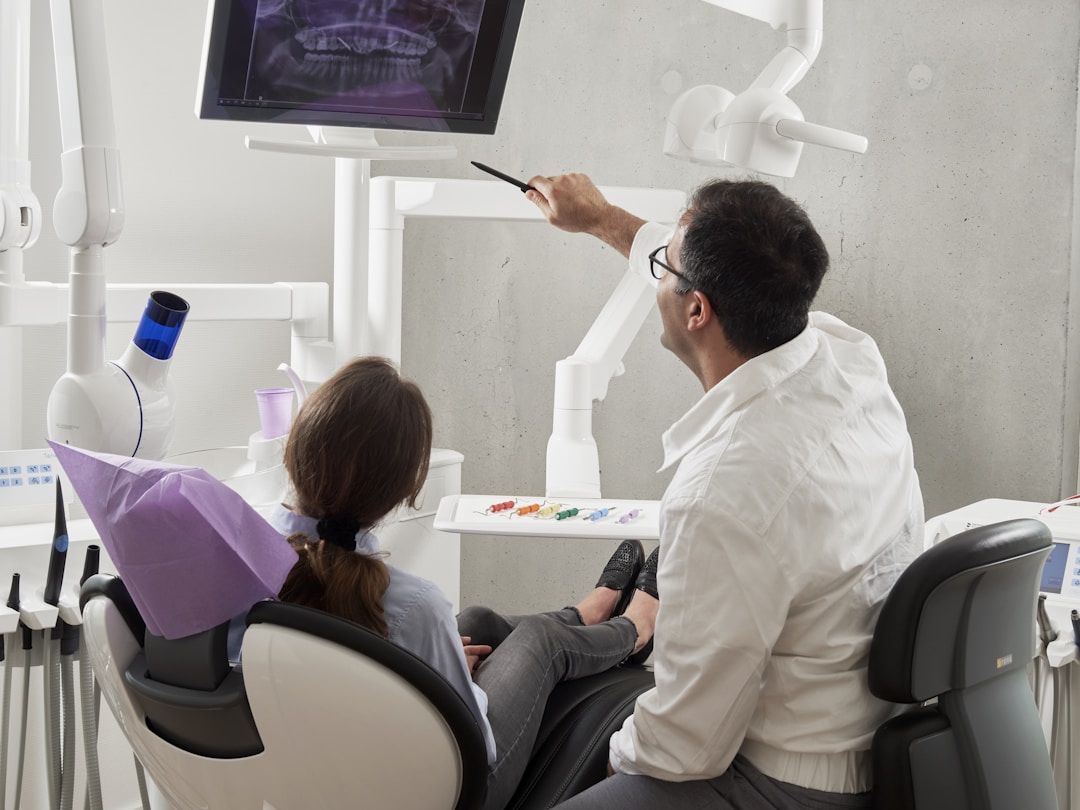
You’re sitting in the dental chair, hearing the dentist say the words “we need to extract this tooth” — and wondering if there’s another way. If you’re over 30, that question may be more important than you realize.
The short answer: Tooth extraction becomes more difficult after age 30 because jawbone density tends to peak between ages 30 and 40, making teeth harder to remove. Recovery often takes longer compared to younger patients. However, extraction is not always necessary. If a wisdom tooth causes no pain or problems, or if a damaged tooth can be saved with root canal treatment, you may have alternatives.
What Happens During Extraction After 30
Adults over 30 often face different challenges when a tooth needs to come out:
Harder bone, tougher extraction. Between ages 30 and 40, jawbone density is typically at its highest. This means teeth are held more firmly in place, which can make the extraction procedure longer and more complex. Dentists sometimes need to section the tooth into smaller pieces for removal, rather than pulling it whole.

Longer recovery time. While a teenager might bounce back in two or three days, adults over 30 often need a week or more to feel fully comfortable again. The healing process is not necessarily slower in a harmful way — it just takes more time.
Higher chance of post-procedure discomfort. Some adults experience more swelling, bleeding, or soreness after extraction. This is normal and varies from person to person.
Why Recovery Feels Different for Adults
If you had a tooth pulled as a teenager and remember it being “no big deal,” your experience now may feel different. Here’s why:
- Bone density changes how teeth come out. Denser bone means more force or technique is required, which can leave the surrounding tissue more irritated.
- Gum tissue heals differently with age. The soft tissue around the socket may take longer to close and feel normal again.
- Overall health factors play a role. Conditions like diabetes, medications, or smoking can affect how quickly you heal after any procedure.
Most adults still recover fully with proper care. The difference is mainly about expectations — plan for a longer healing period rather than assuming it will be quick.
Quick Self-Check: Do You Really Need That Extraction?
Before agreeing to extraction, ask yourself these questions:
-
Is the tooth causing pain or affecting your ability to eat?
- Yes → Treatment may be necessary, but ask about all options.
- No → Ask if monitoring is an acceptable alternative.
-
Has anyone mentioned root canal as an alternative?
- No → Ask specifically if root canal could save the tooth.
-
Are you getting this recommendation at a private clinic?
- Yes → Consider a second opinion at a hospital or independent dentist, especially if the recommendation feels rushed.
-
Is this a wisdom tooth?
- Yes → Ask if it’s affecting other teeth or just sitting quietly without problems.
-
Do you understand exactly why extraction is being recommended?
- No → Ask for a clear explanation before proceeding.
When Extraction Is Truly Necessary vs. Avoidable
When extraction makes sense
- Severe decay or infection that has damaged the tooth beyond repair
- Advanced gum disease that has loosened the tooth significantly
- Cracked or broken tooth that cannot be restored with a crown or filling
- Impacted wisdom tooth causing pain, infection, or damage to adjacent teeth
- Overcrowding before orthodontic treatment (though this is less common for adults over 30)
When you may be able to avoid it
-
Asymptomatic wisdom teeth. If a wisdom tooth doesn’t hurt, doesn’t affect your bite, and isn’t damaging neighboring teeth, many dentists now recommend monitoring rather than automatic removal.
-
Teeth that could be saved with root canal. If the pulp is infected but the tooth structure is still sound, root canal treatment removes the infection while keeping the tooth in place.
-
Minor decay or damage. A filling, crown, or other restoration might solve the problem without extraction.
Alternatives to Consider
Root canal treatment. This procedure removes infected or damaged pulp from inside the tooth, then seals it. The tooth remains in your mouth and continues to function normally.

Monitoring. For wisdom teeth that aren’t causing problems, “watchful waiting” is increasingly accepted. Regular checkups and X-rays can track whether any issues develop.
Anti-inflammatory treatment. Sometimes pain or swelling around a tooth is temporary and resolves with medication and improved oral hygiene. This doesn’t fix underlying problems but can buy time for decision-making.
How to Get an Honest Second Opinion
If something feels off about an extraction recommendation, trust that instinct. Here’s how to get a fair assessment:
-
Visit a hospital dental department or university clinic. These settings are less likely to have financial incentives tied to specific treatments.
-
Bring your X-rays. If you have recent imaging from the first dentist, ask for copies. A second dentist can review them without redoing tests.
-
Ask direct questions. “Can this tooth be saved?” “What happens if I wait?” “Is there an alternative to extraction?”
-
Don’t feel pressured. Except for emergencies, most extractions are not urgent. You usually have time to think and consult.
FAQ
Is it dangerous to have a tooth extracted after 30?
No. Extraction is generally safe at any age. It simply tends to be more complex and recovery often takes longer for adults compared to younger patients. Most adults heal well with proper aftercare.
Do all wisdom teeth need to be removed?
No. Current guidance from major dental organizations suggests that asymptomatic wisdom teeth — those not causing pain, infection, or damage to other teeth — may not require removal. Regular monitoring is often sufficient.
How long does recovery take after extraction for adults over 30?
Recovery varies widely. Some adults feel comfortable within 3 to 5 days, while others need a week or more. Swelling and soreness typically peak within the first 48 hours, then gradually improve.
Should I get a second opinion before extraction?
If the recommendation comes from a private clinic or feels rushed, a second opinion is reasonable and often helpful. For emergency situations involving severe pain or infection, immediate treatment may be necessary.
Can root canal treatment save my tooth instead of extraction?
In many cases, yes. Root canal treats infection inside the tooth while preserving the tooth itself. Ask your dentist whether your specific situation allows for this option.
What are warning signs after extraction that I should call the dentist?
Contact your dentist if you experience severe pain that doesn’t improve with medication, fever above 38°C (100.4°F), bleeding that won’t stop after 24 hours, or difficulty swallowing or breathing.
Common Mistakes When Facing Extraction Recommendations
-
Agreeing too quickly without asking questions. Extraction is permanent. Make sure you understand why it’s necessary and whether alternatives exist.
-
Assuming all wisdom teeth must come out. This is outdated thinking. Many adults live their entire lives with wisdom teeth that never cause problems.
-
Ignoring post-extraction care. Following aftercare instructions carefully — especially resting, avoiding straws, and keeping the area clean — makes a big difference in how you heal.
-
Going to the same clinic for a second opinion. A truly independent second opinion should come from a different practice, ideally a hospital or academic setting.
Summary
Tooth extraction after age 30 is not dangerous, but it can be more complex and recovery often takes longer. Before agreeing to extraction, ask whether the tooth can be saved, whether monitoring is an option, and whether a second opinion makes sense. For wisdom teeth that aren’t causing problems, waiting and watching is increasingly accepted. For damaged molars or other teeth, root canal treatment may preserve the tooth. The key is understanding your options before making a permanent decision.
Disclaimer
This article is for general informational purposes only and does not constitute medical advice. It cannot replace professional diagnosis, treatment, or guidance from a qualified dental professional. Always consult with a licensed dentist regarding your specific dental health needs and treatment options.
Final words
More reading and next steps
That is the main thread of the article. Keep the links below handy, and use the related posts to continue exploring the same topic from a different angle.
References and links
- American Dental Association: Wisdom Teeth ADA guidance on when wisdom teeth need removal and when monitoring is appropriate
- Mayo Clinic: Tooth Extraction Overview of tooth extraction procedure, recovery expectations, and complications
- American Association of Endodontists: Root Canal Treatment Information on root canal as an alternative to extraction for saving teeth
Comments