How to Slow Down Muscle Loss After 50: A Practical Strength Training Guide
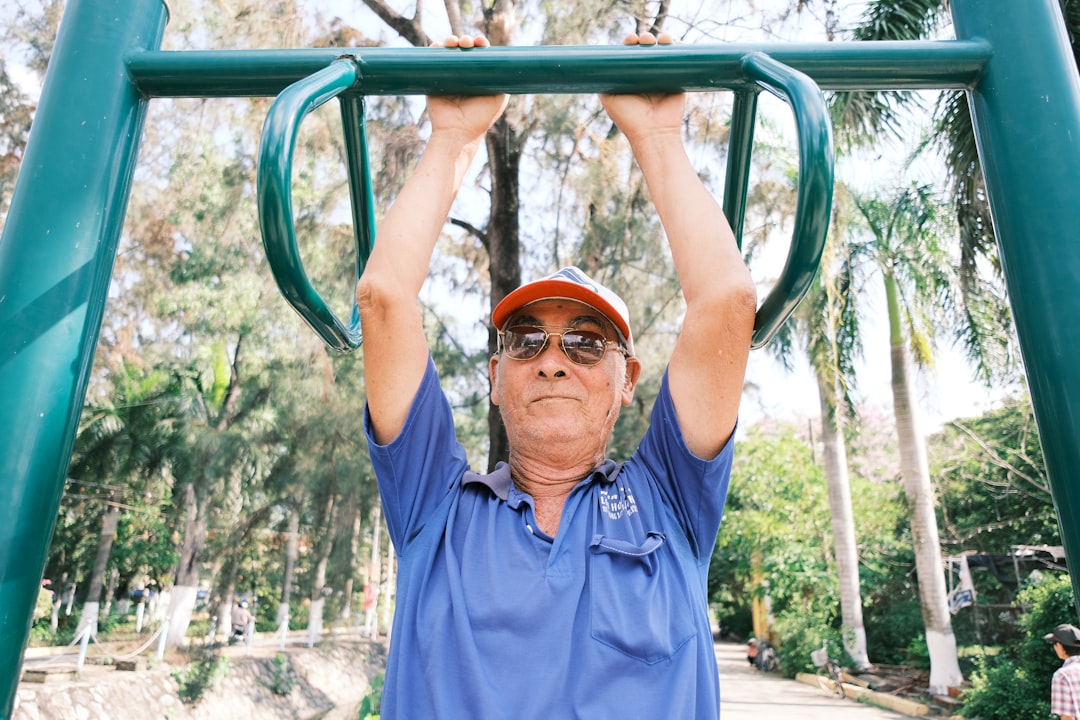
You have noticed it is harder to get up from a chair, carry groceries, or keep your balance. Maybe you have wondered if this is just “getting older.” But muscle loss is not inevitable. It is manageable with the right approach, and you can start at any age.
The Direct Answer
Adults lose 3-10% of muscle mass per decade after age 30, accelerating without intervention. Regular strength training 2-3 times per week focusing on major muscle groups can significantly slow this decline and reduce fall risk, improve mobility, and support overall health.
It is never too late to start. Even people in their 70s and 80s can build strength with consistent effort.
What Actually Happens to Muscle After 50
Muscle loss, called sarcopenia, is a natural part of aging. But the rate varies dramatically based on activity level. Without resistance exercise:
- Muscle fibers shrink in size and number
- Muscle tissue is replaced by fat and connective tissue
- Metabolism slows, leading to weight gain
- Balance and coordination decline
- Daily tasks become more difficult
The health risks extend beyond weakness. Reduced muscle mass is associated with:
- Higher risk of falls and fractures
- Decreased organ protection
- Increased chronic disease risk, including diabetes and osteoporosis
- Reduced independence and quality of life
Why Muscle Matters Beyond “Looking Fit”
Strength is not about appearance. It is about:
Independence: Being able to carry groceries, climb stairs, and get up from chairs without help.
Safety: Strong legs and core reduce fall risk significantly.
Metabolism: Muscle tissue burns more calories than fat, helping with weight management.
Joint protection: Strong muscles support joints and reduce arthritis pain.
Bone health: Resistance training helps maintain bone density.
The Research-Backed Solution
China’s General Administration of Sport guidelines for older adults recommend strength training 2-3 times weekly. Here is what works:
Frequency
- 2-3 sessions per week
- At least one rest day between sessions
- Consistency matters more than intensity
Muscle Groups
Focus on major muscle groups:
- Legs: Quadriceps, hamstrings, calves (squats, leg presses, calf raises)
- Chest and arms: Chest press, push-ups (modified if needed), arm curls
- Back: Seated rows, lat pulldowns
- Core: Planks, bridges, seated twists
Intensity
Start light and progress gradually. A good starting point:
- Use a weight or resistance you can lift 10-15 times with good form
- The last few repetitions should feel challenging but not impossible
- Increase weight or resistance gradually over weeks, not days
Rest and Recovery
Rest days are not optional. Older muscles need more recovery time:
- Wait at least 48 hours before training the same muscle group again
- Sleep is when muscle repair happens
- Gentle activity like walking on rest days is fine
A Sample Week for Beginners
Monday: Lower body strength (leg press, calf raises, bridges) Tuesday: Walk or rest Wednesday: Upper body strength (chest press, seated row, arm curls) Thursday: Walk or rest Friday: Full body or core focus (modified squats, planks, twists) Saturday: Walk or recreational activity Sunday: Rest
This schedule provides 3 strength sessions with adequate rest.
How to Start Safely
Option 1: At Home
You do not need a gym. Start with:
- Bodyweight exercises (sit-to-stand from a sturdy chair, wall push-ups)
- Resistance bands (inexpensive and versatile)
- Light hand weights or water bottles
Option 2: With Guidance
Consider:
- A trainer experienced with older adults
- Senior fitness classes at community centers
- Physical therapy if you have existing joint issues
Key Principles
- Learn form first: Proper technique prevents injury
- Start very light: Master the movement before adding resistance
- Progress slowly: Increase effort over months, not days
- Listen to your body: Discomfort is normal; sharp pain is not
Quick Self-Check: Should You Talk to a Doctor Before Starting?
- Do you have a history of heart disease, stroke, or high blood pressure that is not well controlled?
- Have you fallen in the past year, or do you feel unsteady when walking?
- Do you have significant joint pain (knees, hips, shoulders) that limits daily activities?
- Are you over 65 and have not exercised regularly in the past year?
- Do you have osteoporosis, arthritis, or another condition affecting your bones or joints?
If you answered “yes” to any question, consult a healthcare provider before beginning a new strength training program. This does not mean you cannot exercise. It means you should get personalized guidance.
Common Mistakes to Avoid
Mistake 1: Starting too heavy
Many people quit because they try to lift too much too soon. Start with weights you can handle easily and build up.
Mistake 2: Ignoring form
Poor form leads to injury. If possible, work with a trainer initially to learn proper technique.
Mistake 3: Skipping leg exercises
Leg strength is crucial for mobility and fall prevention. Do not neglect lower body training.
Mistake 4: Expecting quick results
Strength building takes time. Expect to feel functional improvements in 6-8 weeks, but visible changes take longer.
Mistake 5: Giving up because of soreness
Some muscle soreness after starting is normal. It should be mild and resolve within 48 hours. Sharp or persistent pain needs medical attention.
When to Seek Medical Advice
Stop exercising and contact a healthcare provider if you experience:
- New or worsening joint pain during exercise
- Chest pain, dizziness, or severe shortness of breath
- Persistent fatigue that does not improve with rest
- Any fall, even without obvious injury
- Uncertainty about whether specific exercises are safe given your health history
FAQ
Q: Is it safe to start strength training in my 60s or 70s if I have never done it?
A: Yes, but start very slowly. Focus on learning proper form with bodyweight or light resistance. Consider working with a trainer or joining a senior-specific class initially.
Q: Do I need to go to a gym?
A: No. Many effective exercises can be done at home with resistance bands, light weights, or even bodyweight and sturdy furniture. A gym offers more equipment and variety, but it is not required.
Q: How long until I notice a difference?
A: Most people feel functional improvements within 6-8 weeks of consistent training. Climbing stairs, standing up from chairs, and carrying groceries often become easier. Visible muscle changes take longer and vary by individual.
Q: What if I have arthritis or joint problems?
A: Strength training can actually help support joints. However, you may need modified exercises. A physical therapist or trainer experienced with older adults can help adapt movements.
Q: Is walking enough to maintain muscle?
A: Walking is excellent for cardiovascular health and general mobility. However, it does not provide enough resistance to significantly build or maintain muscle mass. Add strength training 2-3 times weekly for best results.
Q: How heavy should the weights be?
A: Start with a weight you can lift 10-15 times with good form but that feels challenging by the last few repetitions. Increase gradually over weeks, not days. The goal is progressive overload without injury.
Summary
Muscle loss after 50 is real, but it is not inevitable. Strength training 2-3 times per week focusing on major muscle groups can significantly slow this decline. Start with light weights or resistance bands, prioritize form, and progress gradually. The result is better mobility, reduced fall risk, and maintained independence.
You do not need a gym, expensive equipment, or youth to begin. You need consistency, patience, and the willingness to start.
Disclaimer
This article provides general educational information about exercise and aging. It is not a substitute for medical advice, diagnosis, or treatment. Older adults with existing health conditions or those new to structured exercise should consult a qualified healthcare provider before beginning a strength training program.
Final words
More reading and next steps
That is the main thread of the article. Keep the links below handy, and use the related posts to continue exploring the same topic from a different angle.
References and links
- General Administration of Sport of China China's national sports authority providing exercise guidelines for older adults
- World Health Organization physical activity guidelines for older adults WHO recommendations for physical activity for adults aged 65 and above
- National Institute on Aging exercise recommendations Evidence-based exercise guidance for older adults from the US National Institute on Aging
Comments