Why Strength Training Is Not Safe for Toddlers and Young Children
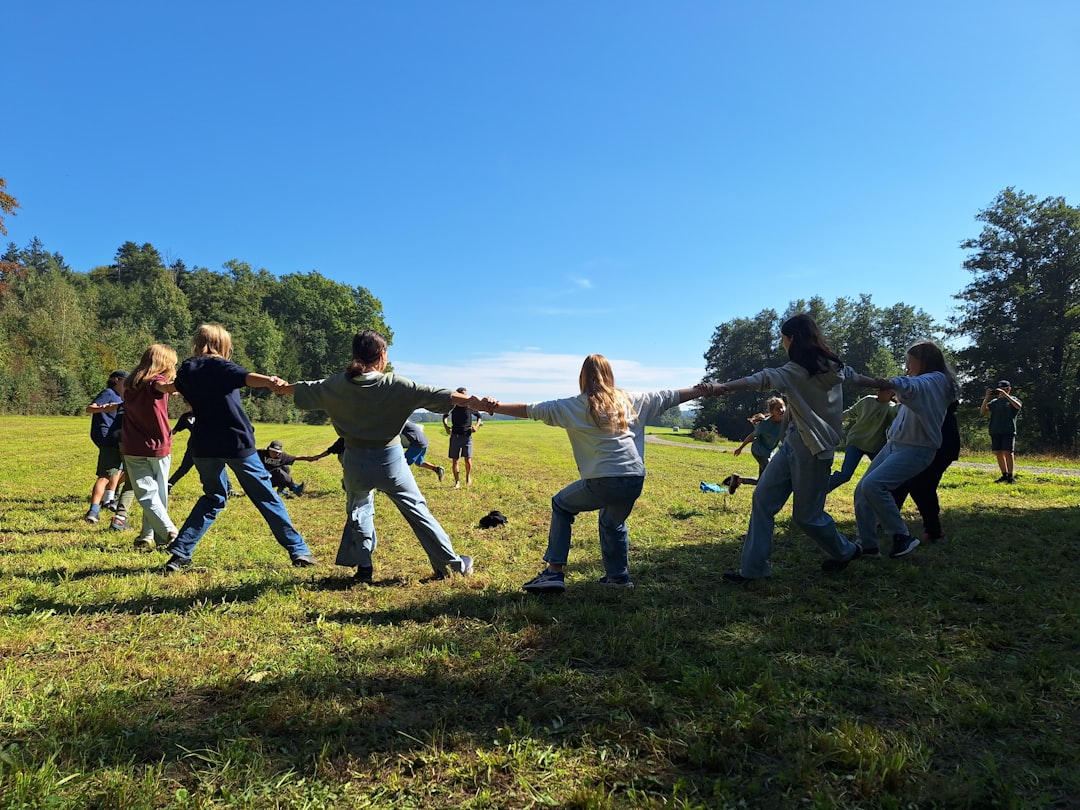
You want your child to be healthy and strong, and you have seen videos of young kids lifting weights or doing intense workouts. But before you encourage your toddler to copy those routines, you need to understand why their developing body responds very differently to exercise than an adult’s.
The Direct Answer
Strength training and weight lifting are not safe for toddlers and young children (ages 3-6). Their muscles, bones, and cardiovascular systems are still developing. Instead, structured play and sports games provide safe, age-appropriate physical activity that supports healthy development.
This is not about being overprotective. It is about understanding how a child’s body works.
Why “Earlier Is Better” Is Wrong for Strength Training
Many parents believe starting strength training young will give their child an advantage. The logic seems sound: adults build muscle through resistance, so why not start early?
The problem is that children are not small adults. Their bodies function differently in three critical ways.
1. Muscle Composition
Children’s muscles contain more water and less protein and glycogen than adult muscles. This makes them:
- Weaker relative to body size
- More easily fatigued
- Less able to handle sustained resistance
When a young child struggles with weight-based exercises, they are not “building character.” They are straining a system that cannot yet handle the load.
2. Bone Development
Young children’s bones are still growing. Growth plates, the soft cartilage at the ends of bones, have not fully hardened.
Weight-bearing exercises can accelerate bone maturation prematurely. This may affect final adult height and increase the risk of growth-related injuries.
3. Cardiovascular Limitations
A child’s chest cavity is smaller and respiratory muscles are weaker. They tire more quickly during sustained activity. More concerning, many strength exercises involve breath-holding, which strains the heart in young children.
China’s General Administration of Sport explicitly warns against strength and endurance training for toddlers. The risks are real and documented.
What Happens When Young Children Strain Their Bodies
Consider two common scenarios:
Scenario 1: A parent sees online videos of a 4-year-old doing push-ups and squats with light dumbbells. They consider starting similar training. Understanding the risks of premature bone maturation and cardiovascular strain helps them choose active play games instead.
Scenario 2: A grandparent encourages a 5-year-old to “toughen up” by climbing while carrying a heavy backpack. The child develops shoulder pain. This illustrates how well-meaning adults may unintentionally harm a child’s developing musculoskeletal system.
Children often cannot articulate when something hurts in the way adults expect. They may simply stop enjoying an activity or become irritable.
What IS Appropriate: Play-Based Movement
The right kind of physical activity for ages 3-6 is based on play, not training. Here is what works at each age:
Ages 3-4
- Running and chasing games
- Rolling, crawling, and climbing on soft surfaces
- Throwing and catching soft balls
- Simple balance activities like walking on a line
Ages 4-5
- Playground climbing and swinging
- Hopping, skipping, and jumping
- Riding a tricycle or balance bike
- Dancing to music
- Simple group games like tag
Ages 5-6
- More complex climbing
- Ball games with simple rules
- Swimming lessons
- Beginner martial arts focused on movement
- Introductory sports with no competition focus
The key is variety, fun, and child-led intensity. When a child wants to stop, they stop. That is the difference between play and training.
Quick Self-Check: Is This Activity Appropriate for My Young Child?
- Is the activity based on play, imitation, or storytelling rather than repetition and resistance?
- Does your child seem to enjoy it, or do they appear stressed or fatigued?
- Is the movement natural for their age (running, jumping, throwing) rather than isolated muscle exercises?
- Are there clear rest periods and variety, or sustained repetitive motions?
- Does the activity feel like a game rather than “training”?
If most answers are “yes,” the activity is likely appropriate. If many are “no,” reconsider the type of physical activity.
Signs an Activity Is Too Intense
Watch for these warning signs that an activity is pushing too hard:
- Your child frequently asks to stop or seems reluctant to participate
- Persistent fatigue, irritability, or sleep changes after activity
- Complaints of pain in joints, muscles, or chest
- Decreased enjoyment of previously liked activities
- Signs of overuse injury: swelling, pain that worsens with activity
When to Seek Medical Advice
Consult a healthcare provider if your child experiences:
- Persistent pain during or after physical activity
- Noticeable limping, favoring one side, or avoiding previously enjoyed activities
- Signs of overuse injury (swelling, pain that worsens with activity)
- Concerns about developmental milestones related to movement
- Any breathing difficulties or chest discomfort during play
FAQ
Q: What about push-ups or sit-ups? Are those okay for a 5-year-old?
A: Modified versions may be fine as part of play, but repetitive sets designed to “build strength” are not age-appropriate. Focus on games that use whole-body movements naturally.
Q: My child loves climbing on playground equipment. Is that strength training?
A: Natural climbing is different from structured strength training. It uses body weight in varied, playful ways and is generally appropriate when the child chooses the intensity.
Q: At what age CAN children start strength training?
A: Professional guidance varies. Many experts suggest around age 7-8 with proper supervision, light resistance, and a focus on technique rather than heavy lifting. Always consult a professional before starting any structured program.
Q: How do I know if an activity is “play” vs. “training”?
A: Play is child-led, fun, varied, and stops when the child wants. Training is adult-directed, repetitive, goal-oriented, and often continues despite fatigue.
Q: My child wants to copy my home workout. What should I do?
A: Let them “join in” with their own version. March instead of lifting weights. Dance instead of doing squats. Make it play, not a workout.
Q: What sports are safe for young children?
A: Sports that emphasize movement, coordination, and fun are best. Swimming lessons, introductory soccer, or gymnastics classes designed for their age group are appropriate. Avoid programs that emphasize competition or performance metrics.
Summary
Strength training is not safe for toddlers and young children because their bodies are still developing in ways that make resistance exercises risky. Muscles are weaker and fatigue faster. Bones can be damaged by premature loading. The cardiovascular system cannot handle the strain of breath-holding exercises.
The right approach for ages 3-6 is play-based activity that develops coordination, balance, and a love of movement. When your child is older and their body is ready, structured training can begin safely with proper guidance.
Disclaimer
This article provides general educational information about child development and physical activity. It is not a substitute for professional medical advice, pediatric guidance, or individual assessment. Parents with concerns about their child’s physical development or activity level should consult a qualified healthcare provider.
Final words
More reading and next steps
That is the main thread of the article. Keep the links below handy, and use the related posts to continue exploring the same topic from a different angle.
Comments