What Does "Nutrient-Dense" Mean and How Do You Choose Nutrient-Dense Foods?
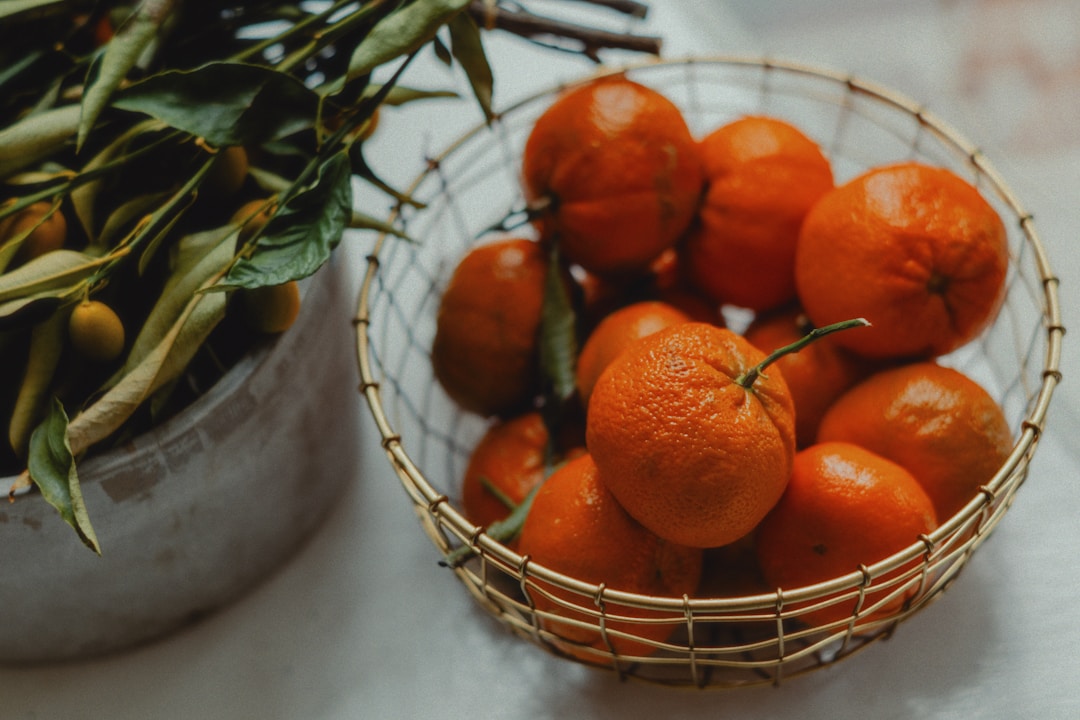
You’ve seen “nutrient-dense” on health websites and in dietary guidelines, but when you stand in front of grocery shelves, the term feels abstract. Which foods actually qualify? And how does a nutrient-dense food differ from something that just has a lot of calories?
The Direct Answer
Nutrient-dense foods provide substantial vitamins, minerals, fiber, and other beneficial nutrients with relatively few calories. The core concept is the nutrient-to-calorie ratio: more nutrition per calorie.
Examples include:
- Vegetables (especially dark leafy greens, colorful varieties)
- Whole fruits
- Whole grains (oats, brown rice, quinoa)
- Lean proteins (beans, lentils, fish, poultry)
- Low-fat dairy or fortified alternatives
These foods deliver significant nutritional value without excess calories from added sugars, saturated fats, or sodium.
Why the Concept Matters
“Nutrient-dense” appears throughout the Dietary Guidelines as a core recommendation. But without concrete examples, the term stays abstract. Understanding the nutrient-to-calorie ratio makes the concept actionable:
- A whole orange gives you vitamin C, fiber, and natural sweetness for about 60 calories
- Orange juice gives you vitamin C and sweetness for about 110 calories per cup, but with no fiber and easier to overconsume
Both contain vitamin C, but the whole orange delivers more complete nutrition per calorie.
Nutrient-Dense Examples by Food Group
Vegetables:
- Spinach, kale, collard greens (iron, vitamin K, folate)
- Broccoli, Brussels sprouts (vitamin C, fiber)
- Carrots, sweet potatoes (beta-carotene, fiber)
- Bell peppers (vitamin C, various colors = various nutrients)
Fruits:
- Berries (antioxidants, fiber, lower sugar content)
- Citrus fruits (vitamin C, fiber)
- Apples, pears (fiber, various vitamins)
Grains:
- Oats, oatmeal (fiber, B vitamins)
- Quinoa (protein, fiber, minerals)
- Brown rice, barley (fiber, B vitamins)
- Whole wheat bread (vs. refined white bread)
Protein:
- Beans, lentils, chickpeas (fiber, protein, iron)
- Fish (omega-3s, protein, various vitamins)
- Skinless poultry (protein, B vitamins)
- Eggs (protein, B vitamins, choline)
Dairy or alternatives:
- Plain yogurt (protein, calcium, probiotics)
- Low-fat milk (protein, calcium, vitamin D when fortified)
- Fortified soy milk (protein, calcium, vitamin D)
What Makes a Food Less Nutrient-Dense
Processing often reduces nutrient density by:
- Removing nutrients (refining grains strips fiber and B vitamins)
- Adding calories without adding nutrients (added sugars, fats, sodium)
Examples of lower nutrient density:
- White bread vs. whole grain bread
- Flavored yogurt vs. plain yogurt
- Fried vegetables vs. steamed vegetables
- Fruit juice vs. whole fruit
- Sweetened cereal vs. oats
These foods may still have some nutritional value, but they provide fewer nutrients per calorie.
Quick Self-Check: Is This Food Nutrient-Dense?
- Does it come from a whole food group (vegetable, fruit, grain, protein, dairy) without heavy processing?
- Does it provide vitamins or minerals you can recognize (vitamin C, iron, calcium, fiber)?
- Is it relatively low in added sugars, sodium, or saturated fat?
- Would eating a portion leave you feeling satisfied without excessive calories?
- Does the ingredient list show recognizable whole-food ingredients rather than many additives?
If you answered “yes” to most, the food is likely nutrient-dense.
A Practical Comparison
Consider two breakfast options:
Option A: Sweetened cereal with milk
- Provides some B vitamins, small amount of fiber
- May have 10+ grams added sugar
- Calories: ~200-250 per serving
- Often leaves you hungry within hours
Option B: Oatmeal with berries and nuts
- Provides fiber, B vitamins, iron, antioxidants, healthy fats
- No added sugar (unless you add it yourself)
- Calories: ~200-250 per serving
- Keeps you fuller longer due to fiber and protein
Both have similar calorie counts, but Option B delivers more nutrients per calorie.
When Personalized Nutrition Advice Matters
Nutrient density is a general concept. Some people need specific guidance:
Speak with a healthcare provider or registered dietitian if:
- You have absorption disorders (celiac disease, Crohn’s)
- You follow a restricted diet (vegan, elimination diet)
- You have chronic conditions affecting nutrient needs
- You’re pregnant, breastfeeding, or managing a specific health condition
Also seek advice if you notice signs of potential nutrient deficiencies:
- Persistent fatigue
- Brittle nails or hair changes
- Poor wound healing
- Frequent infections
These symptoms warrant medical evaluation, not just dietary changes.
FAQ
Is avocado nutrient-dense?
Yes. Avocado provides healthy monounsaturated fats, fiber, potassium, and vitamins. It’s higher in calories than most vegetables, but still nutrient-dense per calorie because of its rich nutritional profile.
Are all vegetables nutrient-dense?
Most vegetables are highly nutrient-dense, but preparation matters. Frying vegetables or adding heavy sauces adds calories without proportionally adding nutrients, reducing overall nutrient density.
Does cooking reduce nutrient density?
Some nutrients decrease with cooking (like vitamin C), but others become more available (like lycopene in cooked tomatoes). Overall, cooked vegetables remain nutrient-dense. Overcooking to mush may reduce some nutrients more than gentle cooking.
Is whole grain bread nutrient-dense?
Compared to white bread, yes. Whole grains retain fiber, B vitamins, and minerals that refined grains lose. Whole grain bread is more nutrient-dense than white bread, though less nutrient-dense than intact whole grains like oats or quinoa.
Can a food be high-calorie and still nutrient-dense?
Yes. Nuts, seeds, avocado, and fatty fish are calorie-dense but also nutrient-rich. Nutrient density compares nutrients to calories, not total calories alone. A handful of nuts provides significant nutrition for its calorie count, even though the total calories are higher than some vegetables.
Common Mistakes
Mistake: Assuming all natural foods are equally nutrient-dense. Coconut oil is natural but provides mostly saturated fat with minimal other nutrients. Whole grains and vegetables offer more nutrition per calorie.
Mistake: Ignoring preparation. Steamed broccoli is nutrient-dense. Broccoli drowned in cheese sauce or deep-fried loses some of that advantage.
Mistake: Thinking “healthy” claims guarantee nutrient density. A product can claim “gluten-free” or “organic” and still be low in nutrients relative to its calories.
Mistake: Avoiding all calorie-dense foods. Nuts and seeds are calorie-dense but highly nutrient-dense. Cutting them out may reduce your overall nutrient intake.
Mistake: Counting only one nutrient. A food high in protein but low in fiber, vitamins, or minerals isn’t fully nutrient-dense. The concept considers the full nutritional profile.
Summary
Nutrient-dense foods deliver more vitamins, minerals, fiber, and beneficial nutrients per calorie. Focus on whole vegetables, fruits, whole grains, lean proteins, and plain dairy products. Compare foods by asking: does this give me real nutrition for the calories I’m spending? If you have specific health conditions or dietary restrictions, a registered dietitian can help you prioritize nutrient-dense choices for your situation.
Disclaimer: This article is for general information only and cannot replace diagnosis, treatment, or advice from a qualified medical professional or registered dietitian. Individual nutritional needs vary based on health conditions, medications, and personal health goals.
Final words
More reading and next steps
That is the main thread of the article. Keep the links below handy, and use the related posts to continue exploring the same topic from a different angle.
References and links
- Academy of Nutrition and Dietetics: Dietary Guidelines and MyPlate Summary of the 2025-2030 Dietary Guidelines highlighting nutrient-dense foods as a key recommendation
- Dietary Guidelines for Americans 2025-2030 Official guidelines emphasizing nutrient-dense choices across food groups
- MyPlate Practical guidance on choosing nutrient-dense options within each food group
Comments