How to Sleep Better at Night: Daily Habits That Work
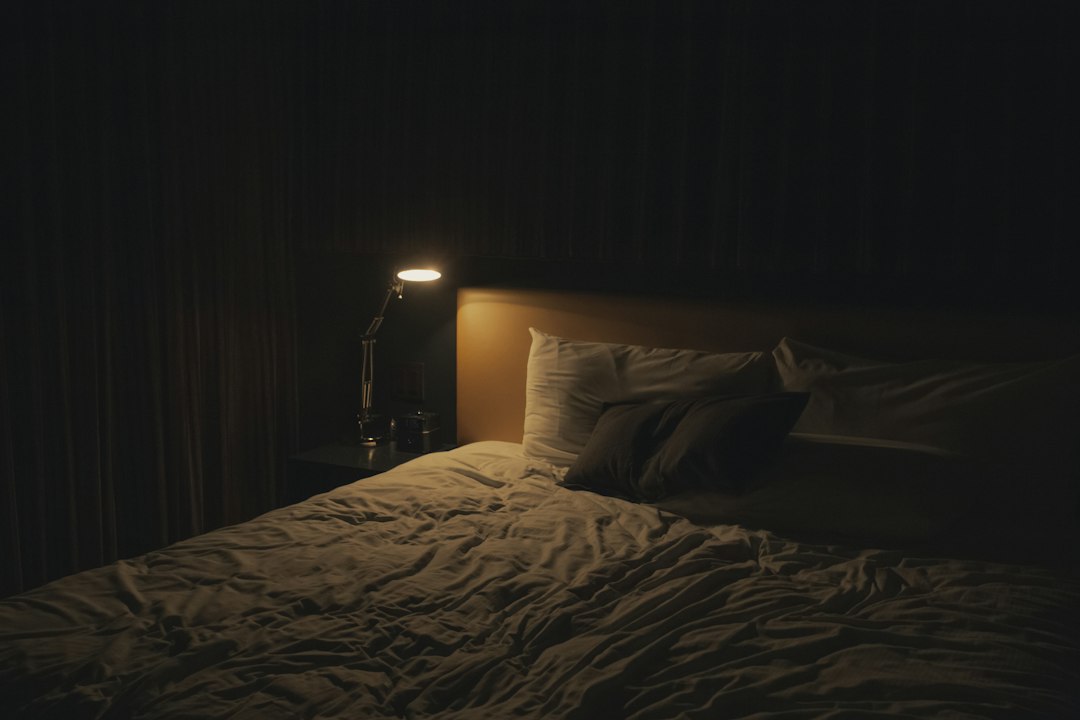
You have been lying in bed for what feels like hours, mind still racing, unable to settle into restful sleep. The fatigue from yesterday still weighs on you, and tomorrow’s tasks are already creeping into your thoughts.
The good news: small daily adjustments often lead to noticeable improvements within a week. Establishing a consistent sleep schedule, creating a comfortable sleep environment, avoiding stimulants before bed, and limiting evening screen time can significantly improve sleep quality for most adults.
Why Sleep Habits Matter
Sleep quality depends heavily on behavioral patterns that accumulate throughout the day. Addressing sleep hygiene—schedule consistency, environment optimization, and pre-sleep habits—targets the root causes of poor sleep rather than masking symptoms.
The World Health Organization includes balanced lifestyle as one of its “Health Four Pillars,” recognizing that sleep is foundational to overall health. When sleep suffers, energy, mood, and immunity often follow.
What You Can Try Tonight
1. Stick to a Consistent Schedule
Going to bed and waking up at roughly the same time most days helps regulate your body’s internal clock. Even on weekends, try not to shift more than an hour either way.
2. Optimize Your Bedroom Environment
Your bedroom should support sleep, not compete with it:
- Temperature: Cool but comfortable, typically around 18–21°C (65–70°F)
- Light: Dark enough that you cannot read without a light; use blackout curtains if needed
- Noise: Quiet or consistent low background noise; avoid sudden sounds
- Bedding: Mattress and pillows that feel comfortable to you
3. Limit Stimulants Before Bed
Caffeine, alcohol, and heavy meals can disrupt sleep:
- Caffeine: Avoid coffee, tea, cola, and energy drinks within 4–6 hours of bedtime
- Alcohol: May help you fall asleep but often reduces sleep quality later in the night
- Heavy meals: Large portions close to bed can cause discomfort and indigestion
4. Reduce Evening Screen Time
Blue light from phones, tablets, and TVs can delay the natural rise of melatonin that signals sleepiness. Try to:
- Put away screens at least 30 minutes before bed
- If you must use a device, enable night mode or reduce brightness
- Replace screen time with a calming activity: reading a book, gentle stretching, or listening to soft music
5. Build a Simple Wind-Down Routine
A consistent pre-sleep ritual signals to your brain that sleep is coming:
- Dim the lights
- Change into comfortable sleep clothes
- Do something relaxing: light reading, breathing exercises, or quiet conversation
- Avoid intense discussions, work tasks, or stimulating entertainment
Quick Self-Check: Is Your Sleep Routine Worth Adjusting?
- Do you go to bed and wake up at roughly the same time most days? (Yes = better consistency)
- Is your bedroom quiet, dark, and at a comfortable temperature? (Yes = better environment)
- Do you avoid caffeine, heavy meals, and intense exercise within 2–3 hours of bedtime? (Yes = fewer stimulants)
- Do you put away screens at least 30 minutes before sleep? (Yes = less blue-light disruption)
- Do you generally feel rested when you wake up? (Yes = current routine may be adequate)
If you answered “No” to 3 or more, adjusting these habits may help. If you answered mostly “Yes” but still feel tired, consider a medical check.
When to Seek Medical Advice
Sleep problems sometimes reflect underlying issues that need professional evaluation. Seek help if:
- Persistent difficulty falling or staying asleep for more than 3 weeks despite consistent habit changes
- Waking frequently with breathing pauses or gasping (possible signs of sleep apnea)
- Chronic daytime fatigue affecting work, driving safety, or mood
- Dependence on sleep medications to get any rest
A doctor or sleep specialist can assess whether factors like sleep apnea, anxiety, depression, or other conditions are involved.
FAQ
Does drinking water before bed help or hurt sleep?
Moderate intake is fine, but large amounts may cause nighttime trips to the bathroom. If you wake often to urinate, reduce fluids 1–2 hours before bed.
Is a short nap okay if I did not sleep well?
A 20–30 minute early-afternoon nap can help restore alertness. Longer naps or naps late in the day may make nighttime sleep harder to fall into.
How long does it take for new sleep habits to work?
It varies. Some people notice improvement in a few days; others need 2–3 weeks of consistency. Stick with changes before judging results.
What should I do if I wake up in the middle of the night?
Avoid screens. Try calm breathing, gentle stretching, or reading a low-stimulation book. If you stay awake more than 20 minutes, briefly get up and do something quiet before returning to bed.
Can exercising late ruin my sleep?
Intense exercise within 2 hours of bed can make falling asleep harder. Light activity like stretching or slow walking is usually fine.
Common Mistakes
Mistake: Staying in bed hoping sleep will come. Lying awake for long periods can increase frustration and anxiety. If you cannot sleep after 20 minutes, briefly leave the bed for a quiet activity.
Mistake: Using phone to “relax” before sleep. Screen use often delays sleep rather than easing it. Even relaxing content on a screen can suppress melatonin.
Mistake: Sleeping in to “catch up.” Large shifts in wake time on weekends can disrupt your weekly rhythm. Try to keep wake times within an hour of your normal schedule.
Mistake: Drinking alcohol to fall asleep faster. Alcohol may help at first but often fragments sleep later, reducing overall quality.
Summary
Improving sleep often starts with daily habits rather than medication. Consistent sleep and wake times, a comfortable bedroom, limited evening stimulants, and a calming wind-down routine can make a noticeable difference within days to weeks for many people. If persistent sleep problems continue despite good habits, professional evaluation may reveal underlying causes worth addressing.
This article is for general information only and cannot replace diagnosis, treatment, or advice from a qualified medical professional. Persistent sleep problems deserve proper medical evaluation.
Final words
More reading and next steps
That is the main thread of the article. Keep the links below handy, and use the related posts to continue exploring the same topic from a different angle.
Comments