How to Brush Your Teeth Properly: A Daily Oral Hygiene Guide
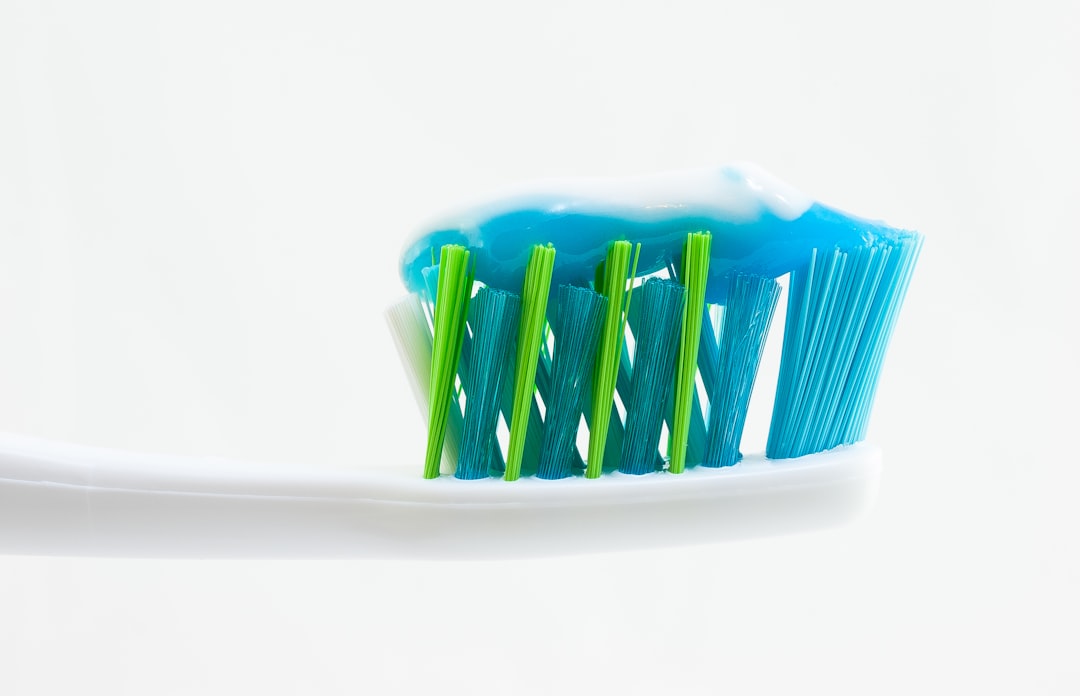
You brush every day, but your dentist still finds plaque buildup or gum irritation. The problem may not be how often you brush—it could be technique, timing, or the tools you are using.
Brush teeth twice daily—morning and before bed—using a soft-bristled small-head toothbrush and fluoride toothpaste. Brush each surface systematically: upper teeth downward, lower teeth upward, inner surfaces the same direction, and chewing surfaces back-and-forth. Replace your toothbrush every 1–2 months and visit a dentist at least once a year for checkups and professional cleaning.
Why Technique Matters
Proper brushing technique targets all tooth surfaces, removes plaque at the gumline, and prevents buildup that leads to cavities and gum disease. Daily consistency plus regular professional cleaning creates a layered defense.
Plaque forms continuously on teeth. When not removed thoroughly, it hardens into tartar within about 24–72 hours. Tartar cannot be removed by brushing alone—only professional cleaning can eliminate it. This is why both daily brushing and annual dental visits matter.
Step-by-Step Brushing Method
1. Choose the Right Toothbrush
A good toothbrush has:
- Soft bristles: Hard bristles can wear enamel and irritate gums
- Small head: Easier to reach all areas, especially back teeth
- Rounded tip: Gentler on gums
Electric toothbrushes can help if manual dexterity is limited, but both electric and manual brushes work well with proper technique.
2. Select Appropriate Toothpaste
Most adults benefit from fluoride toothpaste, which strengthens enamel and helps prevent cavities. Other options include:
- Sensitivity toothpaste: For discomfort with hot, cold, or sweet foods
- Tartar-control toothpaste: May help reduce buildup between cleanings
- Whitening toothpaste: Often more abrasive; use with caution if enamel is thin
Children’s toothpaste fluoride levels differ by age. Consult a pediatric dentist for guidance.
3. Brush Each Surface Systematically
Work through your mouth section by section:
- Outer surfaces (front-facing): Brush upper teeth downward from gumline to tip; brush lower teeth upward from gumline to tip
- Inner surfaces (behind teeth): Use the same direction—upper downward, lower upward
- Chewing surfaces: Brush back and forth across molars and premolars
- Behind front teeth: Angle the brush vertically and use gentle circular motions
- Gumline: Angle the brush slightly toward gums to clean where plaque often collects
Focus on covering every surface rather than timing exactly. Two minutes is a common guideline, but thoroughness matters more than speed.
4. Spit, Do Not Rinse Immediately
After brushing, spit out excess toothpaste. Leaving a small amount of fluoride on teeth continues to protect enamel. If you rinse right away, that benefit is reduced.
Beyond Brushing: Daily Habits
Nighttime Brushing Priority
Brushing before bed is especially important. During sleep, saliva production decreases, and food residue breeds bacteria overnight. Skipping nighttime brushing leaves teeth vulnerable for hours.
Toothbrush Replacement
Replace your toothbrush (or electric brush head) every 1–2 months, or sooner if:
- Bristles appear frayed or bent
- You have been ill (cold, flu, oral infection)
- The brush feels less effective
Worn bristles clean less effectively and can harbor bacteria.
Diet Considerations
What you eat and drink affects oral health:
- Sugar and starchy snacks: Feed bacteria that produce acid, weakening enamel
- Acidic drinks: Soda, sports drinks, and some juices can erode enamel
- Frequent snacking: More eating episodes mean more acid attacks on teeth
Water after meals helps rinse residues. Limiting sugary snacks between meals reduces cavity risk.
Quick Self-Check: Does Your Daily Oral Care Need an Upgrade?
- Do you brush twice daily—morning and before bed? (Yes = adequate frequency)
- Do you use a soft-bristled toothbrush replaced within the last 2 months? (Yes = proper tool)
- Do you brush all surfaces—outer, inner, and chewing surfaces—systematically? (Yes = complete coverage)
- Do you use fluoride toothpaste? (Yes = cavity prevention support)
- Have you visited a dentist in the past year for a checkup or cleaning? (Yes = professional oversight)
If you answered “No” to 2 or more, upgrading these habits may improve your oral health.
When to See a Dentist
Seek dental care if:
- Bleeding gums when brushing (persistent, not occasional minor bleeding)
- Tooth pain or sensitivity to hot/cold that persists
- Visible cavities, cracked teeth, or loose teeth
- Bad breath that persists despite good hygiene
- Jaw pain or clicking when chewing
- More than one year since last dental checkup
Annual visits allow early detection and professional tartar removal.
FAQ
How long should I brush my teeth?
Aim for thorough coverage of all surfaces rather than a fixed time. Two minutes is a common guideline, but technique matters more than a stopwatch.
Should I brush before or after breakfast?
Brushing before breakfast removes overnight plaque. If brushing after, wait about 30 minutes if you ate acidic foods (orange juice, fruit, coffee) to protect enamel from abrasion while it is softened.
Is fluoride toothpaste safe for children?
Generally yes, but the amount depends on age and swallowing risk. Children under 3 may use a smear; ages 3–6 a pea-sized amount. Consult a pediatric dentist for specific guidance.
Do I really need professional cleaning if I brush daily?
Yes. Professional cleaning removes tartar (hardened plaque) that brushing cannot eliminate. Annual cleaning also catches early problems like small cavities or gum inflammation.
Why do my gums bleed when I brush?
Occasional minor bleeding may mean you missed an area or brushed too hard. Persistent bleeding suggests gum inflammation—time for a dental check.
Should I floss as well?
Flossing reaches between teeth where brushing cannot. Daily flossing reduces plaque and gum inflammation in those spaces. If flossing is difficult, interdental brushes or water flossers may help.
Common Mistakes
Mistake: Brushing too hard. Forceful brushing can wear enamel and irritate gums. Gentle, thorough strokes work better than aggressive scrubbing.
Mistake: Skipping nighttime brushing. Night is when bacterial growth peaks due to reduced saliva. Missing bedtime brushing leaves teeth exposed for hours.
Mistake: Using the same toothbrush for months. Worn bristles clean poorly and may harbor bacteria. Replace regularly.
Mistake: Brushing immediately after acidic drinks. Acid temporarily softens enamel. Brushing right away can wear it down. Wait 30 minutes or rinse with water first.
Summary
Brushing twice daily with proper technique, a soft-bristled toothbrush, and fluoride toothpaste forms the core of daily oral care. Systematic coverage of all surfaces, nighttime priority, and regular toothbrush replacement support long-term dental health. Annual dental visits add professional cleaning and early detection. Persistent symptoms like bleeding gums or tooth pain deserve prompt dental evaluation.
This article is for general information only and cannot replace diagnosis, treatment, or advice from a qualified dental or medical professional. Persistent dental symptoms deserve professional evaluation.
Final words
More reading and next steps
That is the main thread of the article. Keep the links below handy, and use the related posts to continue exploring the same topic from a different angle.
Comments