Diet and Exercise Mistakes That Make Chronic Conditions Worse
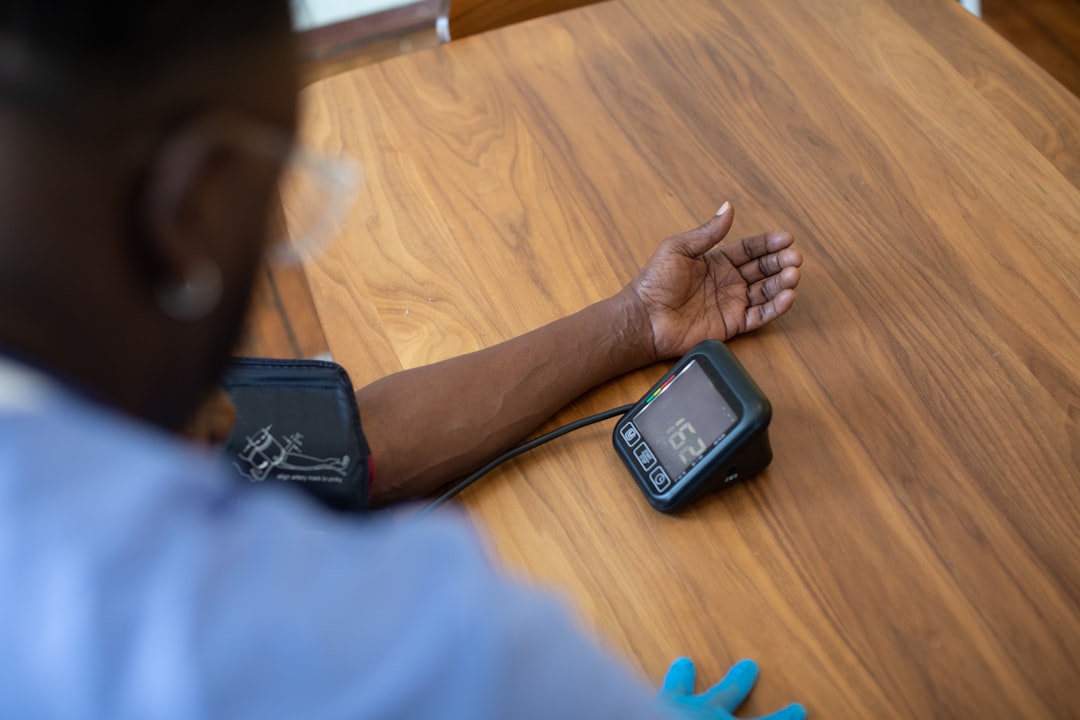
You started eating “healthier” and exercising more, but your blood pressure, blood sugar, or cholesterol readings barely improved—or even got worse. Perhaps you wonder whether your efforts are pointless, or whether you’re unknowingly making mistakes that counteract your progress.
Many people with chronic conditions try to improve through diet and exercise, but common mistakes can slow progress or even worsen the condition. Key errors include overly strict dieting that becomes unsustainable, choosing wrong exercise types or intensity, ignoring consistent monitoring, stopping medication too early, and following unverified advice instead of official guidance.
The 2024 National Health Commission guidance explicitly warns that chronic disease management requires “scientific” diet and exercise—not just casual effort. The guidance also emphasizes patient education and avoiding misinformation. Understanding these common mistakes helps align your lifestyle changes with evidence-based principles.
Mistake 1: Extreme Diet Restriction
The Problem
Cutting entire food groups or following severely restrictive diets often backfires. Examples include:
- Eliminating all carbohydrates for blood sugar management
- Extreme fasting plans that cause energy crashes
- “Detox” diets that lack balanced nutrition
- Removing all fats without understanding which fats are helpful
Why It Fails
Extreme restrictions usually lead to:
- Rebound hunger and overeating later
- Energy problems that reduce exercise capacity
- Nutrient deficiencies over time
- Frustration and eventual abandonment of the plan
What Works Better
Sustainable, moderate adjustments based on official guidance are more effective. Small changes you can maintain for months or years beat extreme plans you can only follow for days.
Mistake 2: Wrong Exercise Type or Intensity
The Problem
Exercise is not automatically beneficial. The wrong type or intensity can:
- Spike blood pressure temporarily during intense bursts
- Trigger gout flares in people with high uric acid (from sudden intense exertion)
- Cause joint strain or injury that sidelines you completely
- Provide minimal cardiovascular benefit if too light or too short
Condition-Specific Concerns
| Condition | Potential Exercise Pitfall |
|---|---|
| Hypertension | Intense sudden exertion can spike pressure temporarily |
| High blood sugar | Wrong timing or intensity may affect glucose control |
| High cholesterol | Inconsistent routine limits cardiovascular benefit |
| High uric acid | Intense exercise can sometimes trigger gout attacks |
What Works Better
“Scientific exercise” means choosing appropriate types and intensity for your condition. Moderate aerobic activity (walking, swimming, light cycling) is generally safer and more sustainable than high-intensity bursts for beginners.
Mistake 3: Ignoring Consistent Monitoring
The Problem
Many people start lifestyle changes but fail to track their readings regularly. Without monitoring, you cannot:
- See whether your approach is working
- Catch problems early before they worsen
- Understand how different foods or activities affect you
Why It Matters
Blood pressure, blood sugar, and other markers fluctuate naturally. Single readings at clinic visits do not reflect your day-to-day patterns. Home monitoring reveals the real trend.
What Works Better
- Keep simple logs of your readings (blood pressure, blood sugar)
- Note what you ate and how you exercised that day
- Review trends weekly, not just single numbers
- Share logs with your doctor to adjust plans
Mistake 4: Stopping Medication Too Early
The Problem
Feeling better or seeing slight improvements can tempt people to stop medication on their own. This is dangerous because:
- Feeling better does not mean the underlying condition is resolved
- Blood pressure or blood sugar may spike dangerously after stopping
- You may not notice silent damage until it becomes severe
What Works Better
Never stop or change medication without doctor approval. If lifestyle changes improve your readings, discuss with your clinician whether dosage adjustment is appropriate. Medication reduction should happen gradually under supervision.
Mistake 5: Following Unverified Advice
The Problem
Social media, friends, and unqualified “experts” often share health tips that sound convincing but lack evidence. Common myths include:
- “You can cure hypertension with a specific herb or tea”
- “All exercise is good, so push yourself hard”
- “Cutting all carbs permanently fixes blood sugar”
- “If you feel fine, you do not need medication”
Why It’s Risky
Following unverified advice can:
- Delay appropriate treatment
- Worsen your condition through wrong interventions
- Create false confidence that masks real problems
What Works Better
Cross-check advice with official sources:
- Government health guidance (like the 2024 National Health Commission documents)
- Major hospital or medical organization resources
- Your treating physician
Quick Self-Check: Are Your Lifestyle Changes Helping or Hurting?
- Are your key readings (blood pressure, blood sugar, lipids) stable or improving over weeks to months?
- Do you feel energized rather than exhausted after typical daily activities?
- Can you maintain your diet and exercise routine for months, not just days?
- Do you cross-check advice with official guidance or your doctor, not just social media?
- Have you avoided making major medication changes without medical supervision?
If most answers are “yes,” your approach is likely on track. If many answers are “no,” your current habits may need adjustment or medical review.
When Mistakes Become Dangerous
Seek medical advice promptly if you notice:
- Blood pressure, blood sugar, or lipid readings worsening despite lifestyle efforts
- Unexplained symptoms after starting a new diet or exercise routine
- Considering stopping or changing medication based on internet advice
- Joint pain or swelling after exercise (especially for hyperuricemia/gout)
Do not ignore these symptoms:
- Chest pain or severe shortness of breath during exercise
- Extreme fatigue, dizziness, or confusion (possible blood sugar issues)
- Persistent joint inflammation or gout flare-ups
FAQ
Can exercise be bad for people with high uric acid?
Intense or sudden exercise can sometimes trigger gout flares, but moderate appropriate exercise can help overall management. The key is choosing the right type and intensity. Check the official guidance or ask your doctor about suitable activities.
Is cutting all carbohydrates a good way to control high blood sugar?
Extreme restriction often backfires, causing rebound hunger and energy problems. Balanced, sustainable adjustments based on official guidance are usually more effective long-term. Your body still needs some carbohydrates for energy.
Why do some people’s blood pressure not improve even after diet changes?
Possible reasons include hidden sodium intake (in processed foods), stress, genetic factors, or diet changes that do not align with evidence-based recommendations. Review your plan with a clinician to identify the gap.
Can I stop my medication if I feel better after lifestyle changes?
Never stop or adjust medication without consulting your doctor. Feeling better does not mean the underlying condition is resolved. Medication changes require medical oversight.
Where can I find reliable diet and exercise guidance for my condition?
Start with official government guidance (such as the 2024 National Health Commission documents), major hospital resources, or your treating physician. Avoid relying solely on unverified social media advice.
Summary
Trying to manage chronic conditions through lifestyle is worthwhile, but common mistakes can slow or reverse progress. The key pitfalls are extreme restrictions, wrong exercise choices, poor monitoring, stopping medication too early, and following unverified advice. Sustainable moderate changes, appropriate exercise types, regular tracking, medical oversight, and evidence-based sources lead to better outcomes. If your readings are not improving despite your efforts, review your approach with a clinician rather than assuming lifestyle does not work.
This article is for general information only and cannot replace diagnosis, treatment, or advice from a qualified medical professional. If you have a chronic condition or are unsure whether your lifestyle changes are appropriate, consult your doctor before making significant adjustments.
Final words
More reading and next steps
That is the main thread of the article. Keep the links below handy, and use the related posts to continue exploring the same topic from a different angle.
Comments